

By Alan Clement
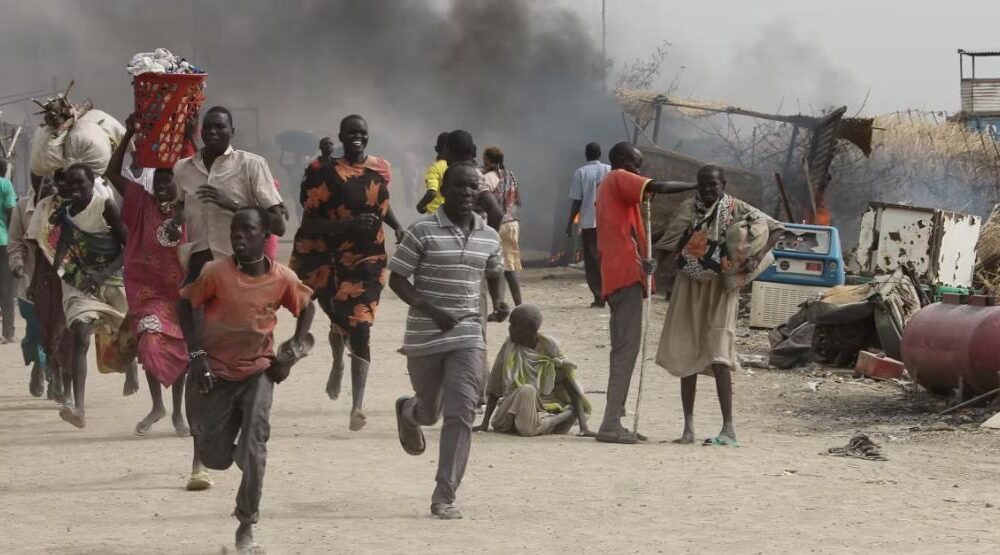
The United Nations has condemned escalating violence in South Sudan, warning that attacks on hospitals and aid operations are fuelling mass displacement and leaving nearly 10 million people in urgent need of humanitarian assistance.
The warning was delivered by the Deputy Spokesperson for the Secretary-General, Farhan Haq, who noted that the UN chief “strongly condemned” the surge in fighting and the growing pattern of assaults on humanitarian and medical facilities across the country.
“Nearly 10 million people; more than two thirds of the population need life-saving humanitarian assistance and continue to bear the brunt of the conflict,” Haq noted, underscoring the scale of civilian suffering amid renewed insecurity.
According to the UN, ongoing fighting, attacks, and widespread looting of humanitarian and health facilities have severely disrupted relief operations. Movement restrictions and insecurity along key supply routes have further constrained access, forcing the suspension of essential services in some areas and placing civilians and aid workers at serious risk.
Since late December, at least 11 healthcare facilities have been attacked in Jonglei State alone, disrupting critical services for already vulnerable communities. The incidents have also included the seizure of 12 vehicles, among them an ambulance, further undermining emergency response capacity.
“In the past week alone, incidents across the country have included repeated attacks on a World Food Programme convoy, an airstrike on a hospital run by Médecins Sans Frontières, and the burning of a Save the Children field office and destruction of its health centre,” Haq stated.
The Secretary-General described these actions as unacceptable. “This clear disregard for medical and humanitarian operations must stop,” Haq said, adding that such work “must be facilitated and respected” in accordance with international law.
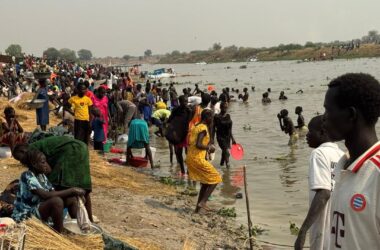
The UN says the violence has triggered fresh displacement at an alarming pace. More than 370,000 people have reportedly been displaced by fighting across South Sudan since the start of the year, with Jonglei State accounting for over 280,000 of those newly uprooted.
The displacement is unfolding against the backdrop of a rapidly worsening cholera outbreak, compounding risks for communities already struggling with food insecurity, limited healthcare, and inadequate shelter.
Disruption to health services, the UN warned, is particularly dangerous as waterborne diseases spread in overcrowded displacement sites.
South Sudan has endured years of conflict and humanitarian crises, but the UN said the current escalation threatens to reverse fragile gains made in recent years. Aid agencies rely heavily on access through insecure roads and air corridors, both of which have been increasingly targeted.
The Secretary-General called on all parties to take immediate steps to halt the violence. “He calls on all parties to immediately and decisively halt all military operations, de-escalate tensions through dialogue, uphold international law, protect civilians, and ensure safe and sustained humanitarian access,” Haq said.
The appeal also extended to the safety of international personnel. The Secretary-General stressed the need to guarantee the security of aid workers and United Nations peacekeeping personnel, as well as the protection of UN assets operating in volatile areas.
Attacks on humanitarian convoys and facilities violate international humanitarian law, which requires the protection of civilians, medical services, and relief personnel during armed conflict. The UN reiterated that hospitals, ambulances, and aid offices must never be treated as military targets.
The Secretary-General’s statement reflects mounting concern within the UN system that continued insecurity could push parts of South Sudan deeper into humanitarian catastrophe, particularly as funding shortfalls and access constraints limit the ability of agencies to respond at scale.
As fighting persists and displacement rises, the UN said the protection of civilians and the preservation of humanitarian space remain critical to preventing further loss of life and averting an even wider collapse of essential services across the country.