

By James Innocent
Civil society representatives and community members in Yei River County have called on the Government of South Sudan to prioritize the conduct of free, fair, and inclusive elections, in line with the country’s legal and constitutional framework.
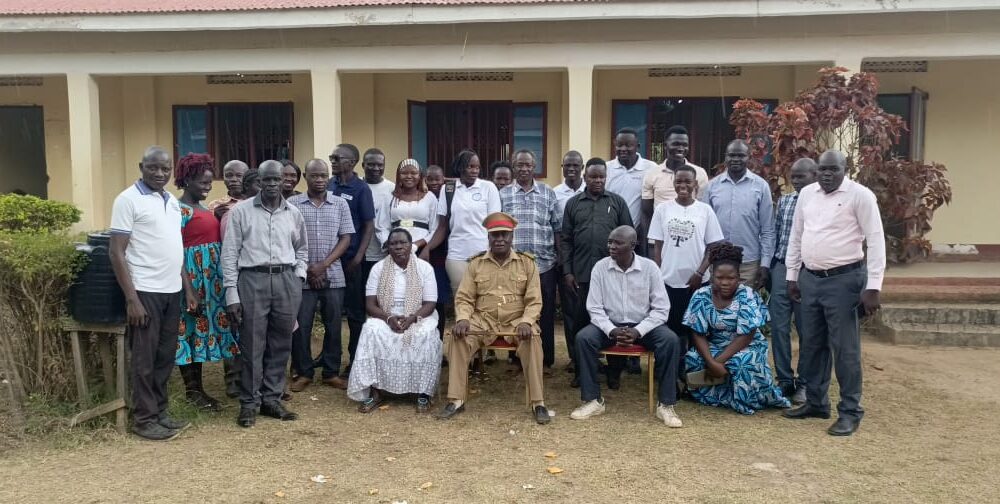
The appeal was made during a two-day civic engagement training organized by the South Sudan Law Society with support from the Norwegian People’s Aid (NPA). The training brought together more than 35 participants from various stakeholder groups across Yei River County in Central Equatoria State.
Kenyi Elisha, one of the participants who described himself as “a voice for the voiceless,” urged the government to ensure that upcoming elections are conducted without discrimination and in accordance with democratic principles.
“We need free and fair elections that represent the will of the people,” Elisha said, adding that certain provisions in the Revitalized Peace Agreement should be reviewed to strengthen lasting peace and political stability.
Other participants emphasized the need for a national population census before general elections are held.
They argued that accurate demographic data would help ensure credible voter registration, transparent result management, and fair representation.
Kenyi noted that conducting a census would help establish reliable figures, including citizens residing in refugee settlements, which could enhance the integrity of the electoral process.
Abui George, another concerned citizen, called on national leaders to fully implement the Revitalized Agreement on the Resolution of the Conflict in South Sudan, stressing the importance of inclusivity among political parties and states.
“The leaders should prioritize the full implementation of the peace agreement and create space for all political actors,” he said.
Advocate Gasper Amule Wani, the lead facilitator from the South Sudan Law Society, said the training aimed to gather citizens’ views and recommendations to inform peacebuilding and governance processes at the national level.
“The objective is to promote peaceful political transition through elections by empowering civil society groups with knowledge on electoral processes,” Wani explained.
Yeka Joel, one of the participants, said the training equipped attendees with knowledge about electoral procedures and civic responsibilities.
He encouraged participants to share the information at the grassroots level to improve public understanding of the election process.
Alice Siama, a local civil society chairperson, welcomed the initiative, noting that many citizens lack adequate information about elections.
She commended the South Sudan Law Society and NPA for organizing the training and reiterated calls for a population census and the safe return of refugees from neighboring countries before national polls.
Constitutional Framework.
The calls for credible elections are grounded in the Transitional Constitution of the Republic of South Sudan, 2011 (as amended), which guarantees citizens the right to participate in public affairs and to vote in periodic elections conducted by secret ballot.
Article 26 of the Constitution provides for the right of every citizen to participate in public affairs, while Article 169 establishes the National Elections Commission as an independent body responsible for conducting free, fair, and transparent elections.
South Sudan’s legal framework further requires that elections reflect the will of the people and be conducted in accordance with the principles of universal suffrage and equal representation.
As the country prepares for a political transition, civil society actors in Yei say sustained civic education, full implementation of the peace agreement, and adherence to constitutional provisions will be critical to ensuring credible and peaceful elections.