



By Alan Clement
The Greater Pibor Administrative Area (GPAA) has taken a decisive step toward food independence, approving a package of agricultural initiatives that place cooperative societies at the heart of its development strategy.
According to a statement from the Administrator’s office, the Council of Ministers endorsed measures designed to strengthen food security, stimulate economic growth, and reduce reliance on external food aid.
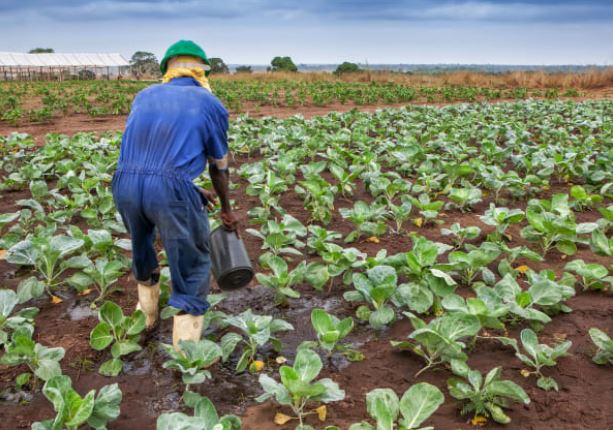
At the center of the reforms is the establishment of cooperative societies to organize farmers, livestock keepers, and fishery stakeholders into structured unions. Officials emphasized that these cooperatives will provide a platform for communities to access resources, training, and markets, while also improving coordination across the agricultural sector.
“This is about empowering our people to produce, trade, and sustain themselves,” Gola Boyoi Gola told the Council, underscoring the government’s commitment to grassroots empowerment.
Jay Adingora Alual, Minister of Agriculture, Forestry, Animal Resources and Fisheries, presented the memo that laid out the framework for four large-scale farming schemes across the GPAA.
These schemes are expected to boost agricultural production and create employment opportunities, positioning farming as a driver of rural livelihoods.
By shifting from subsistence to structured farming, the government hopes to anchor resilience in communities that have long depended on humanitarian assistance.
The Council also resolved to reclaim farming equipment previously managed by communities, placing it under government oversight to ensure proper maintenance and effective utilization.
This governance move reflects a broader push for accountability and efficiency in resource management, with officials stressing that equipment must serve the collective interest rather than fall into disrepair.
In addition to domestic funding, the government will seek partnerships with development institutions to mobilize supplementary resources. Officials argued that external support will be critical to sustaining the initiative, particularly as GPAA aligns its agricultural expansion with South Sudan’s national food security strategy.
The memo, now approved, will be tabled before the GPAA Legislative Council for deliberation and passage. If enacted, the reforms will institutionalize agriculture as both an economic engine and a peacebuilding tool in a region often associated with instability.
By investing in farming cooperatives, large-scale schemes, and stronger oversight, the GPAA leadership is betting on agriculture not only to feed its people but also to foster stability and long-term growth.
For communities across the GPAA, the reforms signal a turning point: a shift from dependency toward self-reliance, and from fragmented efforts toward coordinated development.