



By Kei Emmanuel Duku
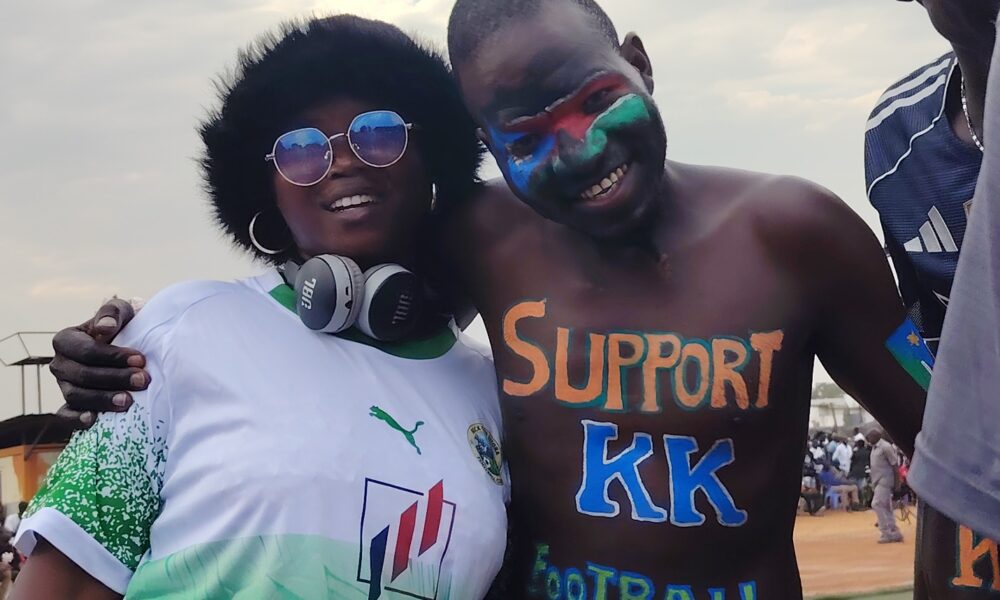
Emerging from the shadows of a conflict that decimated local sports, the Rock City Lobita Football Club have made a historic debut at the national stage in Juba by participating in the ongoing South Sudan Cup 2025/2026 edition, carrying the hopes of a Kajo-Keji community that is using football as a vital tool for reconciliation and peacebuilding.
The team’s arrival for the National South Sudan Cup marks the first time a club from Kajo-Keji County has competed at this level, signaling a resilient return to the pitch for a population still recovering from years of displacement.
The journey to the capital has been defined by grassroots mobilization, as the Boma community of Litoba pooled meager resources to transport over 20 players from the county to their camp in Thongping in Juba, the country’s capital. While the organization has been described as excellent, the team faces severe logistical hurdles, including a lack of transportation and basic gear. Currently, the squad possesses only 12 pairs of playing boots for over 20 players—an issue rooted in the disruption of local incomes caused by the 2016 conflict.
Kenyi Isaac Mono member of the organizing committee, while speaking to this publication, emphasized that while the journey has not been easy, the inspiration drawn from the community’s support way back home and in Juba is driving the team forward. “We are here not to participate, we are here to compete and win the trophy,” said Isaac, adding that the presence of the team has united fans through traditional dances like the bola, adungu and chanting during the opening fixtures, “Football unites us, football brings unity, football is reconciliation, football is development.”
The impact of the conflict remains visible in the league’s structure as Rikaju Julius, President of the Kajo-Keji County Football Association, noted that while the county once boasted over 50 to 60 clubs, only eight teams currently participate in the top league due to the number of people who fled to neighboring areas. Despite these challenges, the association has met its immediate target of national registration within two years of coming on board in 2023.
“The football that we’re having on the ground is really having a big impact in the county,” Julius said, explaining that the sport is successfully engaging youth and encouraging them to return home. “It is also within our mandate to ensure that we contribute to peace building in the country, and I’m really so grateful that football is also having that impact.”
While sports infrastructures countrywide remains underdeveloped, upon their arrival in Juba, Rock City Lobita players had to adapt quickly to modernized facilities at the Buluk Training Centre, which contrast sharply with the rough grounds found in most parts of the country.
Although Suwiya George one of club fans said he noted some progress from the team since its inception, the transition to professional tactics has been aided by the recent recruitment of a coaching team led by Coach Dricih.
George highlighted that many players originally played barefoot because sources of income for both the players and community were disrupted by war, but recent contributions from well-wishers have slowly increased their equipment stock.
“Becoming a professional player means we need to get exposed to playing with these teams who are now advanced to another level,” George remarked, but the most interesting thing is how the tournament has strengthened the unity and love of the Kuku-speaking people. “Everywhere you hear people in the field of play speaking in dialect, people dance together, and that is what defines the unity of Kuku people.”
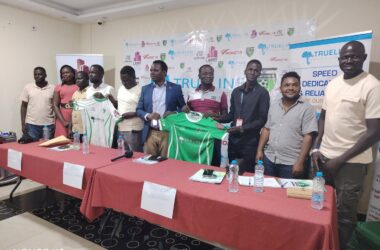
As Rock City Lobita FC hopes to progress, the organizing committee has issued an urgent call to the business community and sports fraternity for support. With food stores running low and welfare needs such as gym and sauna access becoming difficult to maintain. Currently the team is relying on pledges to sustain their stay in Juba.
Kenyi Isaac Mono, of the committee’s financial department, noted that despite missing several chances in a recent draw, the performance of the boys has lived up to expectations, proving they have the capacity to eventually join the national team.
The first leg between Volcano FC of Torit and Rock City Lobita of Kajo-Keji County ended in a goalless draw. The return leg is scheduled for Wednesday, February 25, 2026, at 3 PM at the Buluk Training Centre.
The winner of the aggregate tie between Volcano and Rock City Lobita will advance to face either Lizira Super Stars of Yei or Ngulawa United FC of Mundri. In their own opening fixture, Ngulawa United secured a narrow advantage, defeating Lizira Super Stars 3-2 in the first leg.