


By Kei Emmanuel Duku
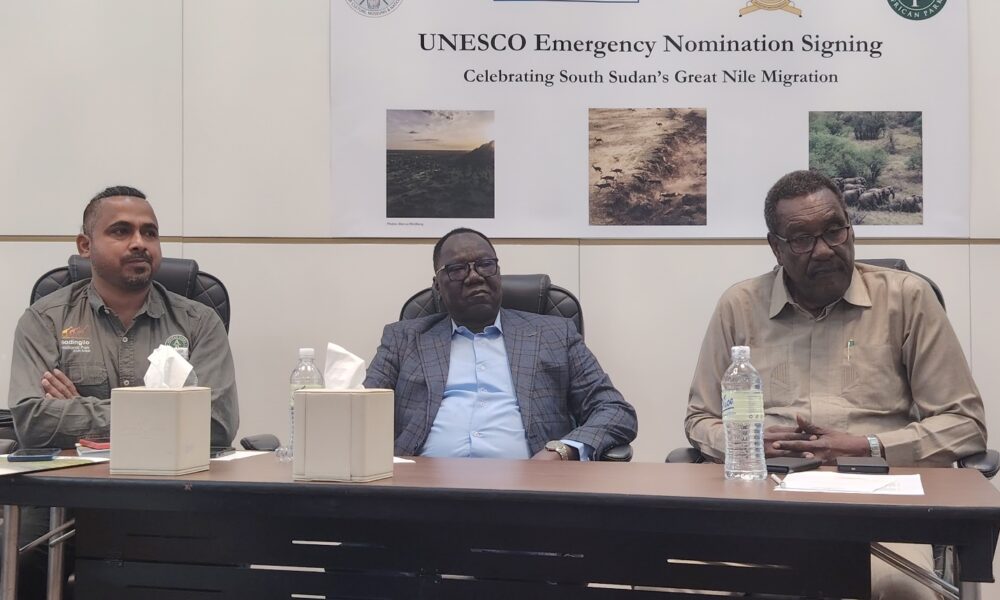
South Sudan has enacted a sweeping new legal framework to safeguard its vast natural landscapes, marking what conservationists describe as a definitive turning point for environmental preservation. The signing of the Wildlife Conservation and Protected Areas Act, 2026, by President Salva Kiir on February 18, 2026, establishes a comprehensive governance structure designed to protect the country’s extraordinary wildlife for future generations.
The new legislation arrives as the nation seeks to formalize the management of its national parks and reserves, effectively repealing the previous Act of 2003. Khemis Adieng, Director General at the Ministry of Wildlife, Tourism and Conservation, explained that the 2003 law was created during the liberation and lacked full coverage of necessary areas. “This one has closed all the gaps that were in the old law,” Adieng stated, adding that the comprehensive framework integrates new articles specifically focused on community conservancies.
Central to the 2026 Act is the formal recognition of wildlife as national wealth and a permanent fixture of South Sudan’s natural heritage. A key shift in the law involves the empowerment of local populations, moving beyond viewing them as mere stakeholders to recognizing them as the rightful owners of the resources. “They are fully empowered to manage the resources, because actually they are the cause of the destruction, and we are managing because of them,” Adieng remarked, noting that giving communities direct responsibility allows them to benefit from sustainable use and eco-tourism initiatives.
Beyond administrative oversight, the Act significantly strengthens the country’s ability to combat environmental crimes through enhanced enforcement powers and stronger controls on hunting and wildlife trade. The urgency of these measures was highlighted by a recent seizure where authorities intercepted a government vehicle carrying nearly one ton of bush meat, likely Tiang and White-eared Kob. While the owners of the vehicle were not disclosed for security purposes, the Director General confirmed that the traders involved were women. “We are now at a juncture that all of us should come together so we can overcome the difficulties the country is facing when it comes to poaching and illegal wildlife trade,” Adieng said.
According to an official statement from African Parks South Sudan, the Act provides a “clear legal foundation for professional park management and sustainable financing models.” The organization further noted that the legislation reinforces the government’s commitment to viewing natural heritage as a vital part of the national development agenda. This legal foundation allows for long-term partnerships that restore ecosystems and promote responsible tourism as a contributor to national economic stability.
The new law also creates avenues for investment, specifically concentrating on the development of tourism to generate funds that can be reinvested into conservation.
Addressing the chronic underfunding of the environmental sector across Africa, the Director General at Ministry of wildlife, Tourism and Conservation noted the ministry has turned to partnerships with NGOs like African Parks to invest in wildlife management.
As Adieng concluded, while the law may eventually need revision, at least for now, it will help a lot in protecting the country’s natural heritage.
“With the bill now signed into law, the next steps involve printing and distributing copies to states, courts, and the media to ensure relevant institutions are equipped to uphold the new regulations”