



By Alan Clement
A lack of timely early warning alerts ahead of heavy rains has been blamed for widespread flood damage in Juba, exposing major gaps in disaster preparedness systems.
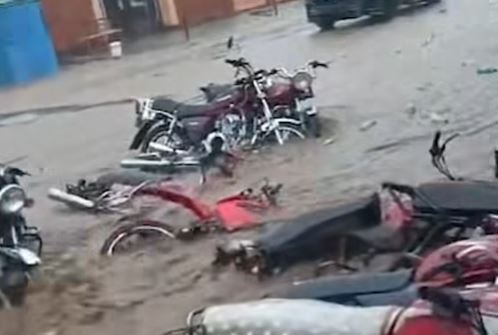
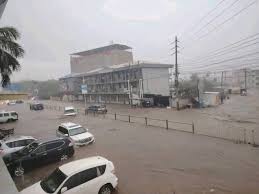
The downpour, which lasted several hours, inundated roads, disrupted businesses, and destroyed traders’ goods, exposing weaknesses in South Sudan’s disaster preparedness system.
Environmentalist Bol Abraham Garang, speaking exclusively to No.1 Citizen Newspaper, said the Ministry of Humanitarian Affairs and Disaster Preparedness failed to issue alerts that could have reduced the impact.
“What happened yesterday was really bad. People were not prepared for this. The Ministry of Humanitarian Affairs and Disaster Preparedness did not issue early warning. They should have issued early warning to the public,” Bol said.
He noted that responsibility for issuing early warnings lies with both the Ministry of Humanitarian Affairs and Disaster Preparedness and the Ministry of Environment, but said structural and resource challenges prevent them from delivering timely information.”
“Even though we go and talk to them, they have their own challenges. They need equipment and modern systems to give the public the right information at the right time,” he explained.
South Sudan’s Meteorological Department currently issues seasonal forecasts, but Bol stressed that international standards require daily or even 12‑hourly updates to keep citizens informed.
“In other countries, the public is updated every 24 hours. That helps people prepare, move property, or avoid flood‑prone areas,” he said.
The floods caused significant disruption in Juba’s commercial areas damaging shops, destroying goods, and blocked transport routes. Bol warned that such events have cascading effects on the national economy.
“Businesses have been interrupted, and most traders have lost goods. If businesses are not operating, it will affect the economy and city council revenue collection,” he said.
South Sudan’s economy, already strained by humanitarian needs and fiscal challenges, risks further setbacks if urban flooding continues unchecked. Bol also pointed to poor urban planning as a root cause of recurrent flooding.
He criticized the issuance of construction permits without scientific review, which has allowed buildings to block natural waterways. “If you give land titles in waterways, you have already caused urban flood. The best thing is to revise urban planning and develop a master plan,” he said.
He urged authorities to adopt a scientific approach to land use, drainage, and waste management. Polythene bags and other debris carried by floodwaters worsened the situation, highlighting the need for stronger waste management systems and public education.
Bol argued that without proper waste management, drainage systems will remain blocked, worsening the impact of heavy rains.
Across East Africa, countries such as Kenya and Uganda have invested in meteorological infrastructure and urban resilience programs, aligning with international frameworks like the Sendai Framework for Disaster Risk Reduction.
Bol said South Sudan must follow suit to meet regional standards. “Urban flood response requires prioritizing scientific planning, reliable drainage systems, and modernized meteorological services. Without that, Juba and other towns will remain vulnerable,” he warned.
Bol argued that South Sudan’s institutions must modernize to meet international benchmarks, which emphasize community‑based early warning systems, integration of meteorological data with urban planning, and regular public communication.
He urged the government to operationalize response plans and invest in infrastructure before the rainy season intensifies emphasizing that proactive measures, not ad‑hoc fixes, are needed.
“If they plan in advance, they can solve the issues. Juba is still under the problem of town planning. Identifying waterways and directing rainwater to the river can reduce urban floods,” he said.
“With forecasts indicating more rains in the coming months, Bol warned that without immediate reforms South Sudan risks repeated devastation, as the March 18 floods already underscored the broader national stakes
Failure to modernize disaster preparedness systems could deepen humanitarian crises, undermine economic recovery, and erode public trust in institutions.
Bol concluded by stressing that early warning is not a luxury but a necessity. “If people are informed, they can prepare. Without information, floods will continue to devastate lives and livelihoods,” he said.