


By Jackson Gaaniko
Young women leaders in Western Equatoria State have issued a strong call for greater inclusion in governance and urgent improvements in basic services and security.
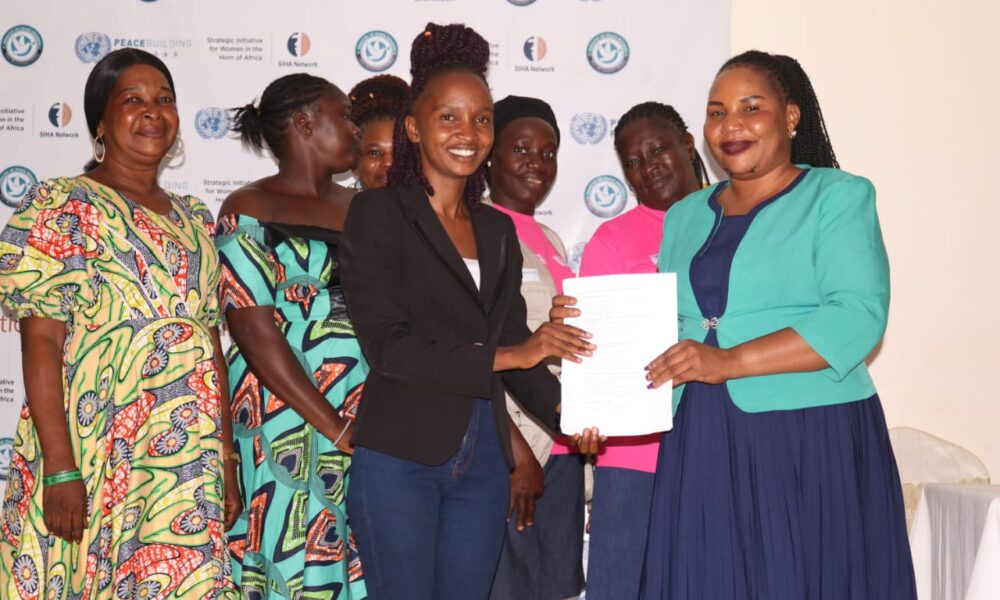
The call followed a two-day policy dialogue with lawmakers and government officials in Yambio.
The forum was held under the Inclusive Governance for Peace Project by the Strategic Initiative for Women in the Horn of Africa Network with support from the United Nations Peacebuilding Fund.
It brought together Members of Parliament, policymakers, civil society actors, and youth leaders to discuss barriers facing women and girls in leadership.
In a joint statement released after the meeting, the young women said the dialogue offered a rare opportunity to directly engage decision-makers and share their lived experiences.
“Over the past two days, we have shared our experiences and the challenges we face in participating in leadership at all levels, especially political leadership,” the statement read.
Despite this engagement, the participants stressed that commitments must now translate into concrete action.
They urged authorities to enact and enforce laws addressing gender-based violence, expand access to reproductive health services, and create safer political environments for women and girls.
The young leaders highlighted persistent challenges affecting their communities, including weak healthcare systems, non-functional health facilities, and limited access to sexual and reproductive health service Factors they say contribute to continued maternal deaths across the state.
They also raised concerns about insecurity, particularly in rural areas, where ongoing violence, killings, and the burning of homes continue to disrupt lives and restrict women’s participation in leadership and peacebuilding.
Poor infrastructure, including bad roads, shrinking civic space, and rising cases of gender-based violence, were also cited as major obstacles to progress.
While South Sudan’s peace framework provides for youth representation in governance, the participants said implementation remains inadequate—especially for young women.
“There has not been enough effort to ensure that young women are fully included,” the statement noted, pointing to gaps in enforcing the agreed quotas.
The group called on the state government to ensure meaningful representation of young women across all levels of governance, including parliament, ministries, commissions, and public institutions. They also appealed for increased investment in healthcare, education, infrastructure, and security services, particularly in underserved rural communities.
Traditional and religious leaders were urged to play a more active role in challenging harmful cultural practices that limit women’s participation and rights.
The young women further called on development partners to sustain support for women- and youth-led initiatives focused on leadership and peacebuilding.
They reaffirmed their commitment to advocating for equality, inclusion, and justice, emphasizing that lasting peace and development in South Sudan will remain out of reach without the full participation of women.
The statement was signed by young women leaders from across Western Equatoria State who took part in the Yambio dialogue.