


By Lodu William Odiya
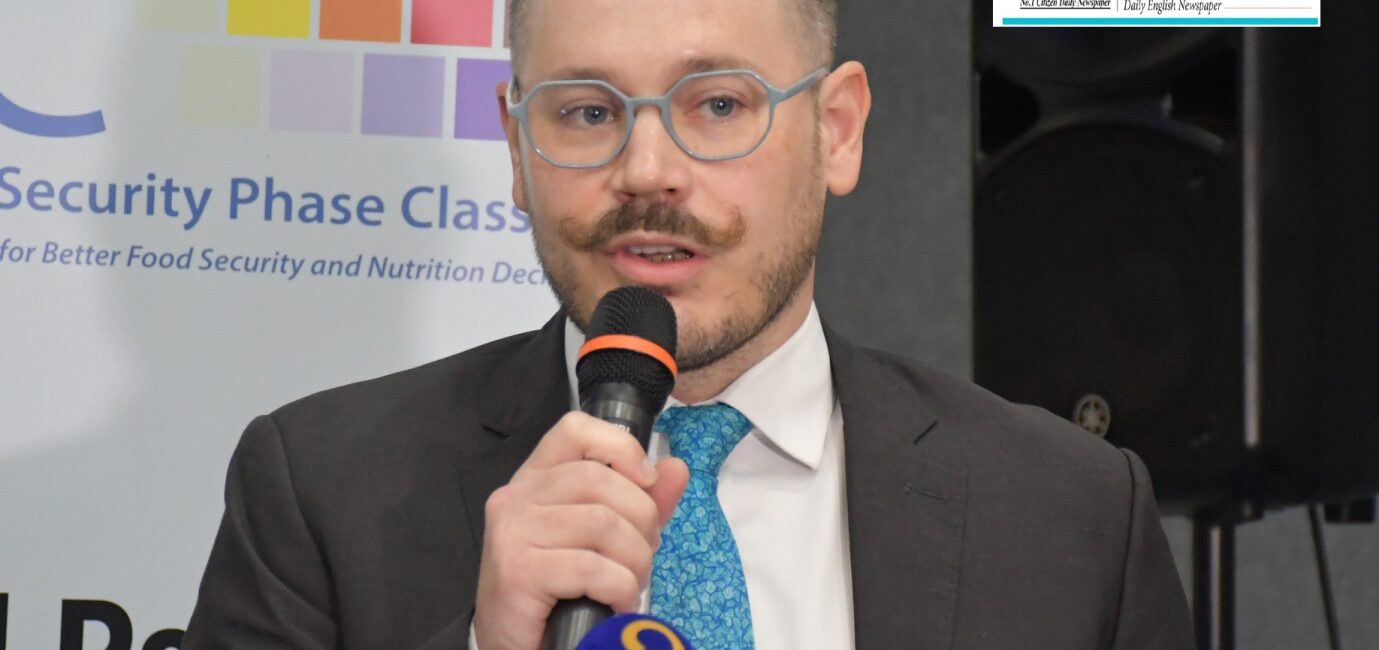
A U.S. diplomat has raised concerns over the effectiveness of billions of dollars generated from oil revenues and international aid in South Sudan.
Speaking on Tuesday, during the release of the latest Integrated Food Security Phase Classification report, Charles Vetter questioned how such resources have been utilised since South Sudan gained independence in 2011.
“Today is a very sad occasion. The numbers, as my colleagues have noted, speak for themselves. They are skyrocketing. This comes despite the fact that, since independence, according to the UN, South Sudan has taken in around $25 billion in oil revenue. And donors gathered in this room have invested countless billions more,” Charles explained.
Vetter warned that the country continues to face deepening food insecurity despite years of financial inflows.
“The United States government has spent just $9.5 billion alone since independence. And where has that gotten us? Skyrocketing needs. I think we need to be very direct about what is driving the situation that we’re facing today,” he added.
He noted that while the country has received substantial support from both its oil sector and international partners, the benefits have not translated into improved living conditions for many citizens.
“The transitional government continues to wage conflict throughout this country. We have exhibited displacing people, untold numbers, hundreds of thousands across this country, driving this need further. The transitional government continues to refuse to invest national resources in delivering public services, instead looking to all of us who have gathered in this room to provide health services, education, and public infrastructure.
According to the diplomat, millions of South Sudanese remain at risk of hunger, with some communities facing emergency levels of food insecurity.
He emphasised that the situation is particularly troubling given the scale of funding that has entered the country over the past decade.
He also added that the transitional government continues to stand in the way of those trying to assist.
“The continued obstruction, interference, theft, and denial of access to those who are trying to serve those in need, the communities where they are, is limiting the effectiveness of anybody who is trying to help them,” he stated.
South Sudan’s economy relies heavily on oil exports, which account for the majority of government revenue.
At the same time, international donors have consistently provided humanitarian and development assistance aimed at stabilising the country and supporting vulnerable populations. However, ongoing conflict, climate shocks such as flooding and drought, and economic instability have continued to undermine progress.
Humanitarian agencies report that rising food prices, displacement, and limited access to agricultural inputs have further worsened the crisis.
In rural areas, many families struggle to produce enough food, while others depend entirely on aid.
The diplomat called for stronger transparency and better coordination between the government and development partners to ensure that resources are used effectively.
He also urged investment in agriculture and infrastructure as key steps toward reducing dependency on aid.
“We call urgently for the transitional government to end the conflict, to use its national revenue to serve the people of this country, including by paying salaries, and to end the obstruction directed towards those trying to help,” Vetter emphasised.
Government officials have previously acknowledged the challenges but often point to insecurity and external factors as major obstacles to development.
As South Sudan continues to struggle with these issues, addressing governance gaps and prioritising sustainable solutions will be critical in reversing the worsening food crisis and improving the lives of its people.
He underscored that with these actions, the country could make progress to ending the marginalisation of its people.