

By Sabri Dibaco
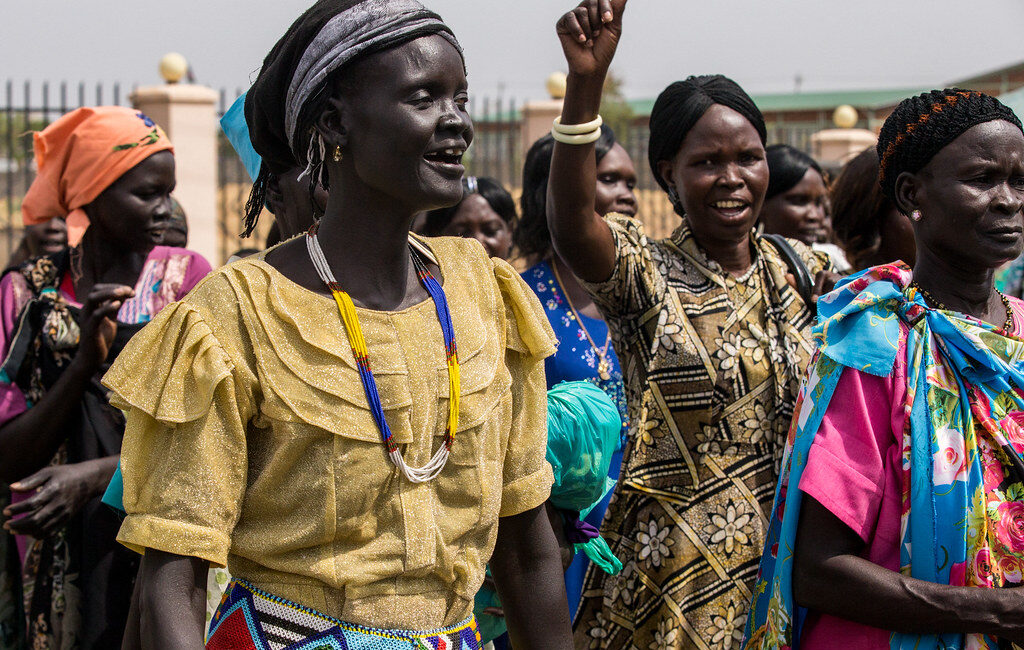
The Women for Justice and Equality (WOJE) has called on the government to create an enabling economic environment for women to thrive, marking the occasion of International Labour Day.
In a statement released to the press, Woje emphasised that women across South Sudan continue to face significant economic hurdles, particularly those operating small-scale and informal businesses. The organisation urged authorities to move beyond survival-level support and adopt policies that promote sustainable growth and long-term economic independence for women.
“We call on the government to create an enabling economic environment where women can achieve, not just survive,” the organisation stated.
Woje highlighted the burden of excessive taxation and multiple levies imposed on small-scale businesses. They noted that such measures disproportionately affect women, who make up the majority of informal traders in markets across the country.
“The current taxation system places an undue burden on women entrepreneurs, many of whom are operating at minimal profit margins. Reducing these taxes will allow women to reinvest in their businesses and improve their livelihoods,” the statement added.
Beyond tax reform, the organisation stressed the need for improved access to financial services, including affordable credit and savings schemes specifically tailored to women-led enterprises.
A Woje representative noted, “Access to finance remains one of the biggest barriers for women, alongside access to quality education and good healthcare facilities. Without these, it is nearly impossible for small businesses to grow.”
The group also pointed out that women in South Sudan face structural barriers such as limited access to land, low levels of financial literacy, and inadequate market infrastructure. These challenges, combined with high operational costs, continue to hinder their full participation in the economy.
Women constitute a large percentage of South Sudan’s informal workforce, particularly in sectors such as agriculture, petty trade, and small retail. Despite their vital role, many operate under difficult conditions with limited institutional support.
“Women are the backbone of the informal economy, yet they remain among the most economically vulnerable groups,” the letter emphasised.
To address these disparities, Woje called on the government to prioritise gender-responsive economic reforms. These include providing tax relief for small-scale businesses, investing in women-focused enterprise programs, and strengthening collaboration with civil society organisations.
The organisation concluded by urging continued engagement between policymakers and women’s advocacy groups to ensure that economic policies reflect the realities faced by women at the grassroots level.
“Empowering women is not charity; it is a necessity for national growth, stability, and prosperity. When women succeed, communities and the country as a whole benefit.”