


By Louis Loku
Senior Presidential Envoy on Special Programs, Adut Kiir, has donated ten vehicles to strengthen South Sudan’s preparedness and response capacity against a potential Ebola outbreak.
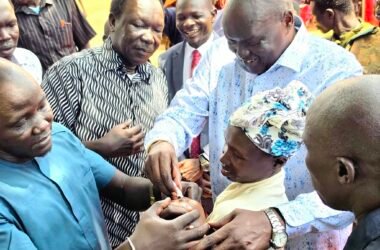
The donation was announced on Tuesday during her visit to the National Public Health Institute (NPHI), where she was accompanied by the Minister of Health, Luke Thompson, to assess the country’s readiness to respond to the deadly disease.
The vehicles are expected to improve transportation and logistical operations, particularly the movement of medical supplies and rapid response teams across different parts of the country in the event of an outbreak.
Speaking during the visit, health officials praised Adut Kiir for her continued support of the health sector through the ASK Foundation.
They cited the foundation’s recent intervention during the cholera outbreak in Pibor, where medical supplies were provided to support affected communities.
Health partners and officials used the occasion to brief the envoy on the current level of Ebola preparedness and the challenges facing response efforts.
Among the concerns raised were logistical limitations, inadequate resources, and the need for stronger surveillance at border entry points to prevent the virus from entering the country.
Officials warned that the current Ebola strain remains highly contagious and may initially present symptoms similar to malaria and other common illnesses, making early detection and public awareness essential.
Minister of Health Luke Thompson assured the public that the government remains vigilant and committed to protecting citizens from the threat of Ebola.
He said President Salva Kiir Mayardit is fully informed about the situation and recognises the potential public health and security implications of any outbreak.
Hon. Adut Kiir emphasised that public health remains one of the key priorities under her special programs.
She called for increased public awareness campaigns, community engagement, and personal responsibility in preventing the spread of infectious diseases.
She further stressed the importance of investing in strong and resilient institutions capable of responding effectively to future health emergencies.
Following her meeting at the National Public Health Institute, the envoy visited the Infectious Diseases Unit (IDU) in Jebel, where she received updates on the facility’s preparedness to manage possible Ebola cases.
She commended healthcare workers for their dedication and sacrifices in safeguarding public health, pledging continued support to strengthen the country’s response capacity.
The envoy concluded by urging stakeholders to invest in long-term improvements to the health sector while expressing hope that South Sudan will remain free from Ebola and other major disease outbreaks.