


By Sabri Dibaco
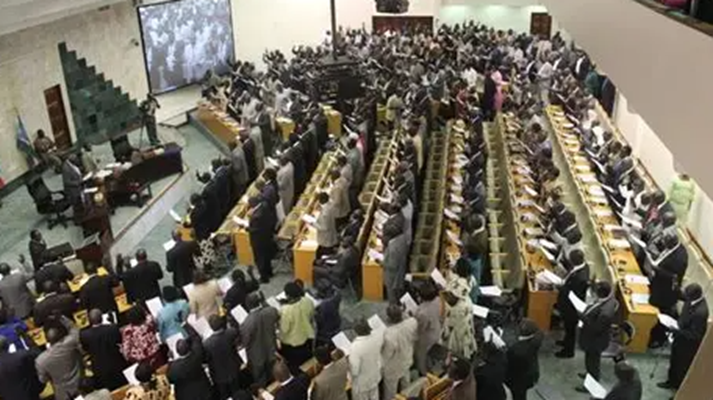
The Transitional National Legislature Assembly has passed amendments to the 2018 revitalised peace agreement.
The assembly removed the requirements, such as completing a permanent constitution and a national population and housing census, before holding general elections.
The amendments, approved on Wednesday, would pave the way for the country to proceed with elections scheduled for December 2026 under the existing Transitional Constitution, despite strong objections from some lawmakers and opposition members.
Presenting the report before Parliament, the Caretaker Chairperson of the Committee on Legislation and Legal Affairs, Dengtiel Ayuen Kuur, urged lawmakers to endorse the amendments, arguing that they were necessary to facilitate the country’s long-awaited elections.
Speaking after the vote, parliamentary spokesperson Oliver Mori described the approval as a significant milestone in South Sudan’s democratic transition.
“Today, the parliament ratified two important amendments of the R-ARCSS. These amendments are in relation to preparing the way for the conduct of credible elections in the Republic of South Sudan by December 2026,” Mori told journalists.
He said the amendments removed two major obstacles that had delayed preparations for the country’s first general elections since independence in 2011.
However, the decision was met with resistance from some legislators, who argued that conducting elections without first completing the permanent constitution-making process and an updated national census could undermine the credibility and inclusiveness of the electoral process.
Critics contend that the constitution and census are essential components of the peace agreement and should not be postponed.
The amendments follow earlier approval by the Council of Ministers, which argued that revising the peace agreement was necessary to prevent further delays to the country’s transition and electoral timetable.
The 2018 agreement ended years of civil conflict and established a roadmap for political transition, including the drafting of a permanent constitution, conducting a national population and housing census, and organising democratic elections.
The transitional period has been extended several times due to delays in implementing key provisions of the agreement. In December 2025, the presidency endorsed amendments removing the constitutional review and census as preconditions for elections, a move that later received cabinet approval before being tabled in Parliament.
Supporters say the changes will enable South Sudan to hold its first elections since gaining independence in 2011, while opponents argue they weaken safeguards contained in the peace agreement.