

By Yiep Joseph
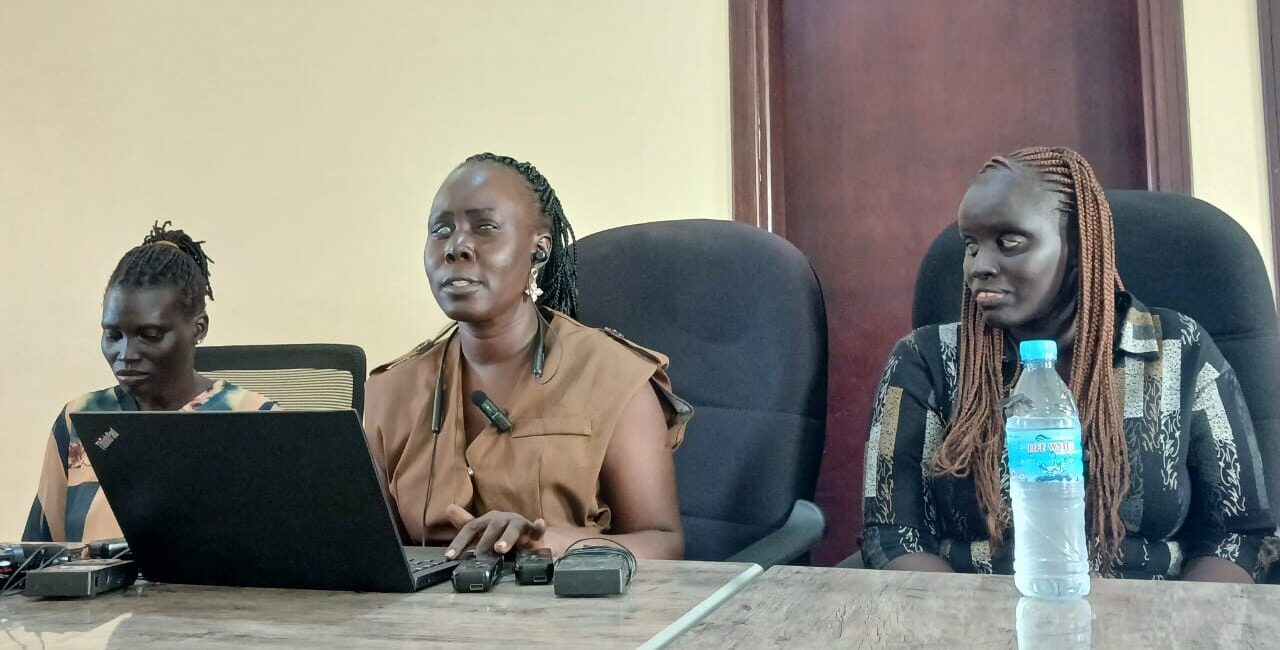
Women for Justice and Equality, together with the Union of Persons with Disabilities, have called for inclusion in electoral processes.
The two bodies have called on South Sudan’s Political Parties Council (PPC), political parties, electoral institutions, and other stakeholders to ensure the full and meaningful participation of women with disabilities in the country’s electoral process ahead of the anticipated democratic elections.
The appeal was made during an engagement with the Political Parties Council in Juba, where the organisations emphasised that inclusive elections are essential for strengthening democracy, promoting peace, and advancing sustainable development.
The groups said women with disabilities continue to face significant barriers to political participation, including inaccessible political spaces, discrimination, stigma, limited access to civic and voter education, economic exclusion, and inadequate representation in political leadership.
They urged political leaders to translate South Sudan’s national, regional, and international commitments on disability and women’s rights into concrete action.
According to the organisations, South Sudan’s ratification of the United Nations Convention on the Rights of Persons with Disabilities (CRPD) commits the country to protecting the rights and dignity of persons with disabilities and ensuring their equal participation in political and public life.
The groups also stressed that implementing the United Nations Security Council Resolution 1325 on Women, Peace and Security requires the meaningful participation of all women, including women with disabilities, in peacebuilding, governance, elections, and decision-making.
They further called for the full implementation of the Maputo Protocol, which obliges African states to eliminate barriers preventing women from participating equally in political and public affairs.
“The commitments made by South Sudan through the Convention on the Rights of Persons with Disabilities, the Women, Peace and Security Agenda, and the Maputo Protocol are more than legal obligations; they are promises to the people of South Sudan,” the organisations said in a joint statement.
“As we prepare for elections, these commitments must guide every political party, every public institution, and every electoral process.”
The organisations welcomed the Political Parties Council’s efforts to promote democratic participation but urged the Council to strengthen its oversight role by making disability inclusion a key benchmark for assessing political party compliance with democratic principles.
Among their recommendations, the groups called on political parties to recruit and support women with disabilities as party members, candidates, and leaders, remove barriers within party constitutions and nomination processes, and ensure that campaigns, meetings, and training programmes are accessible through sign language interpretation, accessible venues, assistive communication, and information in formats that persons with disabilities can use.
They also recommended expanding civic and voter education programs to reach women with disabilities in urban, rural, and hard-to-reach communities and advocated for constitutional and legislative reforms that would establish intersectional quotas for women with disabilities and other marginalised groups.
The organisations further urged the Political Parties Council to require all registered political parties to report annual data on leadership and membership disaggregated by gender, age, disability status, and geographical representation.
They also proposed linking access to public funding and other Council-managed benefits to compliance with gender equality and disability inclusion standards.