

By Sabri Dibaco
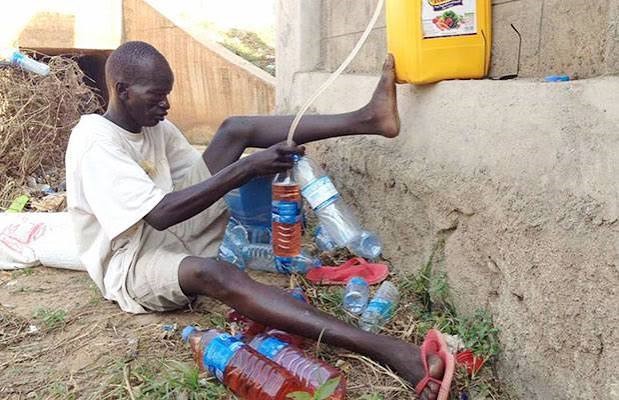
Citizens across several states have expressed frustration over the continued high cost of fuel outside the capital, Juba, saying recent reductions in pump prices have not reached the rest of the state.
While fuel prices in Juba dropped last week, residents in states including Western Equatoria, Upper Nile, Warrap, Northern Bahr el Ghazal, Unity, and Jonglei say they continue to pay significantly more, increasing the cost of transport, food, and other essential commodities.
In an exclusive interview with No. 1 Citizen Newspaper, residents from different parts of the country said the uneven pricing has left many families struggling with the rising cost of living.
John Lado, a commercial motorcycle rider in Yambio, Western Equatoria State, said the high fuel prices are making it difficult for transport operators to earn a living.
“People in Juba are celebrating lower fuel prices, but here in Yambio nothing has changed. We still buy fuel at very high prices, and this forces us to increase transport fares. Our customers complain, but we have no other option,” he said.
In Malakal, Upper Nile State, trader Mary Nyibol said expensive fuel has pushed up the prices of basic goods.
“Everything we transport depends on fuel. When fuel remains expensive, food prices also remain high. Families are finding it harder to afford daily necessities,” she said.
A resident of Wau, Western Bahr el Ghazal State, James Makuac, questioned why fuel prices have only fallen in the capital.
“We are all South Sudanese. If fuel prices can go down in Juba, they should also come down in the states. We feel forgotten,” he said.
Meanwhile, Sarah Akon, a businesswoman in Bentiu, Unity State, urged the government to ensure that fuel distribution benefits all citizens equally.
“The government should monitor fuel suppliers and make sure prices are fair across the country. The difference between Juba and the states is too wide,” she said.
Economists say the continued price disparity is linked to high transportation costs, poor road infrastructure, insecurity along supply routes, and additional charges incurred by fuel dealers transporting petroleum products from Juba to remote states.
The situation has affected businesses, public transport operators, and humanitarian activities, with many communities reporting increased prices for food, construction materials, and other essential goods.
Citizens have called on the Ministry of Petroleum and other relevant authorities to intervene by improving fuel distribution systems, addressing transport bottlenecks, and ensuring that the recent reductions in fuel prices are reflected nationwide.
The concerns come after fuel prices in Juba declined following government efforts to address supply challenges through the Government-to-Government (G2G) fuel import arrangement and discussions with petroleum stakeholders. Authorities have attributed the lower prices in the capital to improved fuel availability.
However, despite the reductions in Juba, residents in many states say they have yet to experience similar relief, with fuel remaining considerably more expensive due to transport costs, logistical challenges, and limited supply networks.
The disparity has renewed calls for a national pricing mechanism to ensure that all South Sudanese benefit equally from government interventions aimed at stabilising the fuel market.