


By Yiep Joseph
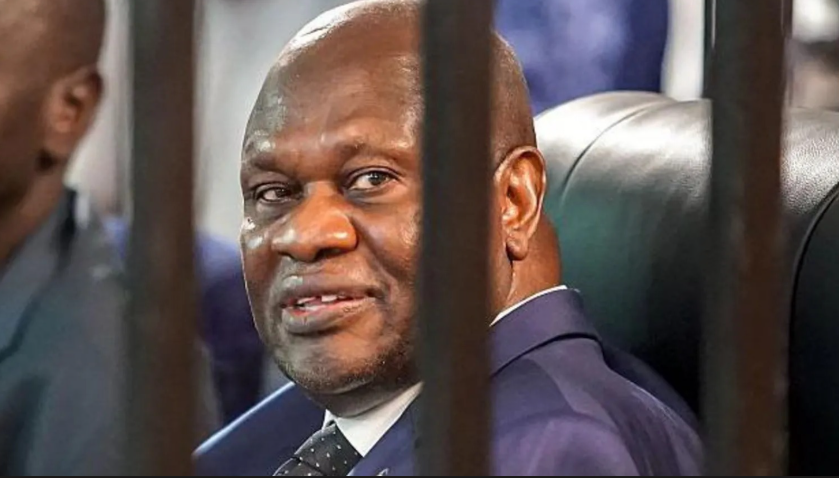
The Special Court on the Incident of Nasir heard competing arguments from the prosecution and defense over how Dr. Riek Machar and his co-accused should present their defense and exercise their right to legal representation.
The issue came before the court during its 112th session, after the defense responded to a prosecution submission filed on August 21.
At the centre of the disagreement is Section 197(1) of the Code of Criminal Procedure Act, 2008, and the sequence in which the accused should give their defense statements and respond to questions about the evidence.
The prosecution has asked the court to question the accused on the evidence and charges against them before allowing them to present their prepared defense statements.
The defense, however, argued that the law leaves the court with discretion over the order of questioning and does not expressly require an accused to answer questions before reading a prepared statement.
Lead defense Counsel Dr. Geri Raymondo Legge also pointed to the procedure previously followed in the case, noting that the first four accused were allowed to present their defense statements before responding to questions from the court.
He argued that introducing a different procedure for Machar, identified as the fifth accused, could raise concerns about equal treatment and procedural fairness.
The defense also addressed a separate issue concerning the accused persons’ right to choose their lawyers.
Counsel Geri said an earlier application seeking clarification on comments made in court about changing advocates was not intended to challenge the authority or independence of the court.
The defense maintained that the accused have a constitutional right to legal representation and asked the court to clarify that they remain free to retain lawyers of their choice without facing adverse consequences.
Counsel Geri argued that suggestions that an accused could consider changing lawyers could create uncertainty in the relationship between the accused and their legal representatives.
The defense said its request was intended to provide clarity and avoid mistrust between the accused and their lawyers, rather than interfere with the court’s work.
The lawyers also rejected prosecution characterisations of their conduct as “public theatrics,” collective pressure, or deliberate attempts to delay the proceedings.
They argued that raising constitutional and procedural concerns should not automatically be treated as an abuse of court process.
The defense further maintained that representation by counsel does not prevent an accused from personally raising concerns before the court, including matters relating to safety, treatment, or legal representation.
While acknowledging the seriousness of the allegations before the court, the lawyers argued that the nature of the charges does not remove the constitutional protections available to an accused person.
The defense asked the court to dismiss the prosecution’s objections to its earlier application and reject the prosecution’s counter-application under Section 197(1).
It also asked the court to grant its original application and affirm the accused persons’ right to retain counsel of their choice.
The prosecution has not yet responded to the defense arguments. Lead prosecutor Ajo Ony’Ohisa requested additional time to respond in writing.
The court granted the request and adjourned the proceedings until Friday, August 28, 2026, when the prosecution is expected to present its response.