



By Lodu William Odiya
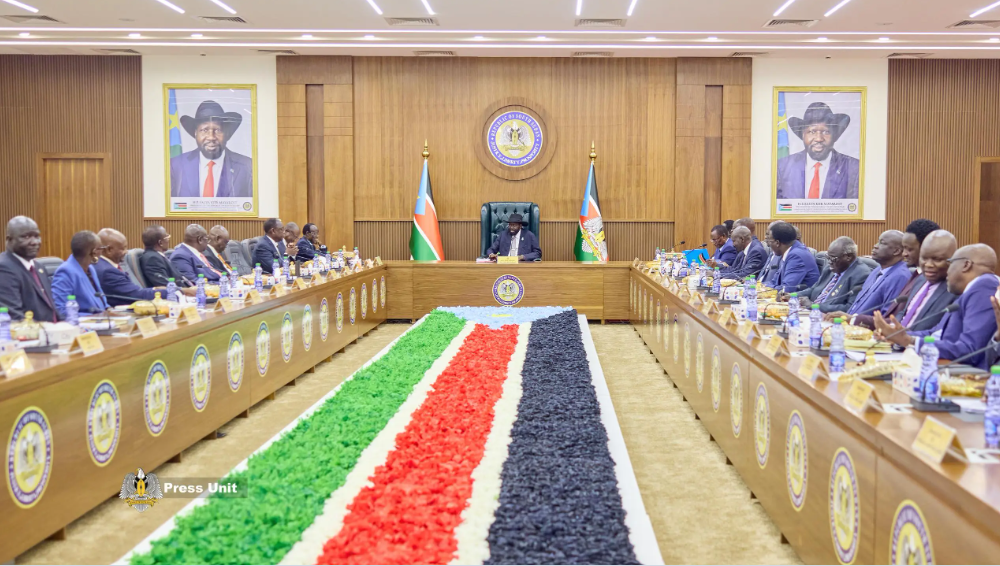
The Council of Ministers has approved an emergency plan for the repatriation and sustainable reintegration of vulnerable South Sudanese nationals stranded in the Arab Republic of Egypt, with the intervention prioritising 20,000 of the most vulnerable individuals.
In a statement by the presidential press unit, the decision followed a memo presented by the Minister of Humanitarian Affairs and Disaster Management, Albino Akol Atak, on the emergency repatriation and sustainable integration of vulnerable South Sudanese from Egypt.
The Republic of South Sudan continues to face a growing humanitarian challenge involving its nationals stranded in Egypt.
“The Council considered the key requirements necessary to make the repatriation exercise possible, including transportation, coordination with the Egyptian authorities, documentation, reception and transit arrangements, humanitarian assistance, and measures for sustainable reintegration upon return,” the statement partly read.
According to the South Sudan Embassy in Cairo, more than 100,000 South Sudanese nationals are currently residing in Egypt under varying legal and humanitarian circumstances.
While the broader population faces different challenges, the government’s immediate intervention will focus on approximately 20,000 primary beneficiaries considered most vulnerable, including stranded students, elderly persons, people with medical needs, women and children, persons with disabilities, and conflict-affected persons from South Sudan and Sudan.
The government is developing contingency arrangements to ensure that returnees are not only brought home safely but also receive the necessary support to rebuild their lives and reintegrate into their communities.
A high-level South Sudanese delegation is expected to travel to Egypt to engage with the Egyptian authorities and coordinate the implementation of the repatriation process.
Information Minister Ateny Wek Ateny said the South Sudanese population in Egypt comprises people who arrived under different circumstances.
Some have lived in Egypt since before South Sudan’s independence, when Sudan and South Sudan were one country and different arrangements governed movement and residence.
Others travelled to Egypt seeking refuge, hoping to resettle in third countries or for medical treatment.
However, many now face difficulties because they lack valid documentation or other means of legally sustaining their stay in Egypt, making the government’s intervention increasingly urgent.
The second substantive agenda item considered by the Council was a memo presented by the Minister of Interior, Lt. Gen. Aleu Ayieny Aleu, on the establishment of the South Sudan Private Security Industry Regulatory Authority (SPSRIA).
The proposed regulatory framework is intended to strengthen government oversight of private security companies operating in the country, including firms whose personnel are authorised to carry firearms.
The Authority would provide stronger mechanisms to license, monitor, and regulate private security companies, ensuring that their operations comply with national laws, security requirements, and public safety standards.
The Council also considered and passed a resolution relating to pass movement, strengthening the administrative and security arrangements governing movement within the country.
The government emphasised that stronger regulation of the private security industry, together with appropriate movement controls, is necessary to protect public safety, strengthen national security, and maintain a peaceful environment.
With the two substantive agenda items concluded, all other business before the Council was deferred for consideration at its next meeting.
The decisions underscored the government’s stated commitment to supporting vulnerable citizens, strengthening national security and institutions, and ensuring that South Sudanese facing difficult circumstances abroad are given a safe pathway home and the support necessary for sustainable reintegration.