


Writer: Ajak John Ateng
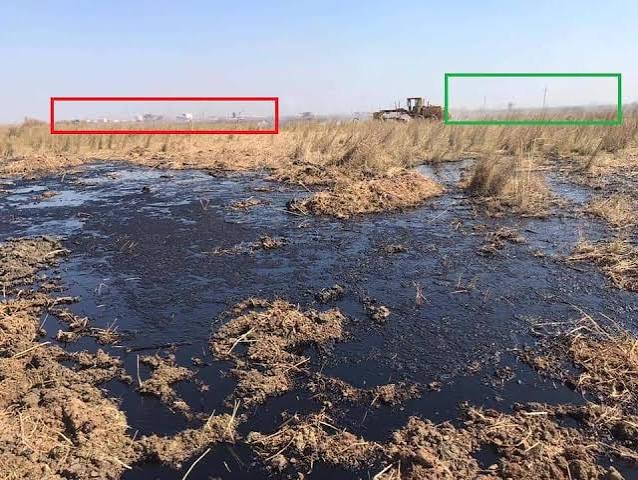
The recent incident in which a woman reportedly fell into a hazardous oil-waste pond in Rubkona, Unity State, should not be treated as an isolated accident. It is a warning about a much larger environmental problem facing South Sudan’s oil-producing communities.
For families in oil-producing areas, the environment is not an abstract issue. It is where they find drinking water, raise livestock, grow food, and build their homes. When oil waste reaches water sources or spills onto the land, it is people’s daily lives that are affected.
A contaminated pond is not just a waste facility; it can become a serious threat to a mother collecting water, a child playing nearby, or a farmer taking his cattle to drink.
South Sudan already has laws intended to protect the environment and regulate petroleum operations. What is urgently needed is stronger enforcement. The government should require independent environmental audits of oil-producing areas and make the findings available to the public. Water, soil, air, pipelines, and waste facilities should be regularly inspected and tested.
The experience of other oil-producing countries shows that stronger environmental accountability is possible. Canada, for example, follows the polluter-pays principle, so companies responsible for pollution can be required to pay for the damage they cause and the work needed to clean it up. Norway follows a similar approach, making those responsible for pollution bear the costs of preventing or reducing the harm.
In Brazil, environmental and operational audits are used to check whether oil and gas companies are meeting safety and environmental requirements. These countries offer South Sudan practical lessons. Companies that profit from South Sudan’s oil must also take responsibility for protecting its land, water, and communities.
The government should establish an environmental restoration fund, supported by oil companies, to pay for the rehabilitation of polluted land and water. Dangerous waste ponds must be properly secured, hazardous materials safely handled, and communities clearly warned about risks.
Most importantly, no new oil project should move forward without proper environmental and social assessment. Companies that repeatedly violate environmental standards should face substantial penalties, suspension of operations, and, where necessary, withdrawal of permits.
The woman in Rubkona should not become another forgotten headline. Her experience should remind the country that behind every oil field are people, families, and communities whose lives deserve protection. South Sudan needs oil revenues, but they should not come at the expense of environmental safety and the well-being of its people.
About the author:
Ajak John Ateng, President of the Geological Society of South Sudan, can be reached via email: geosssinfo21@gmail.com
Disclaimer: Any opinion published on our platforms does not represent the views or position of the company.