



By Lodu William Odiy
President Salva Kiir Mayardit has dissolved key government institutions and removed the vice presidents ahead of December elections.
The changes were announced in a Republican order issued Tuesday as the country entered the final three months before the scheduled December 22 vote.
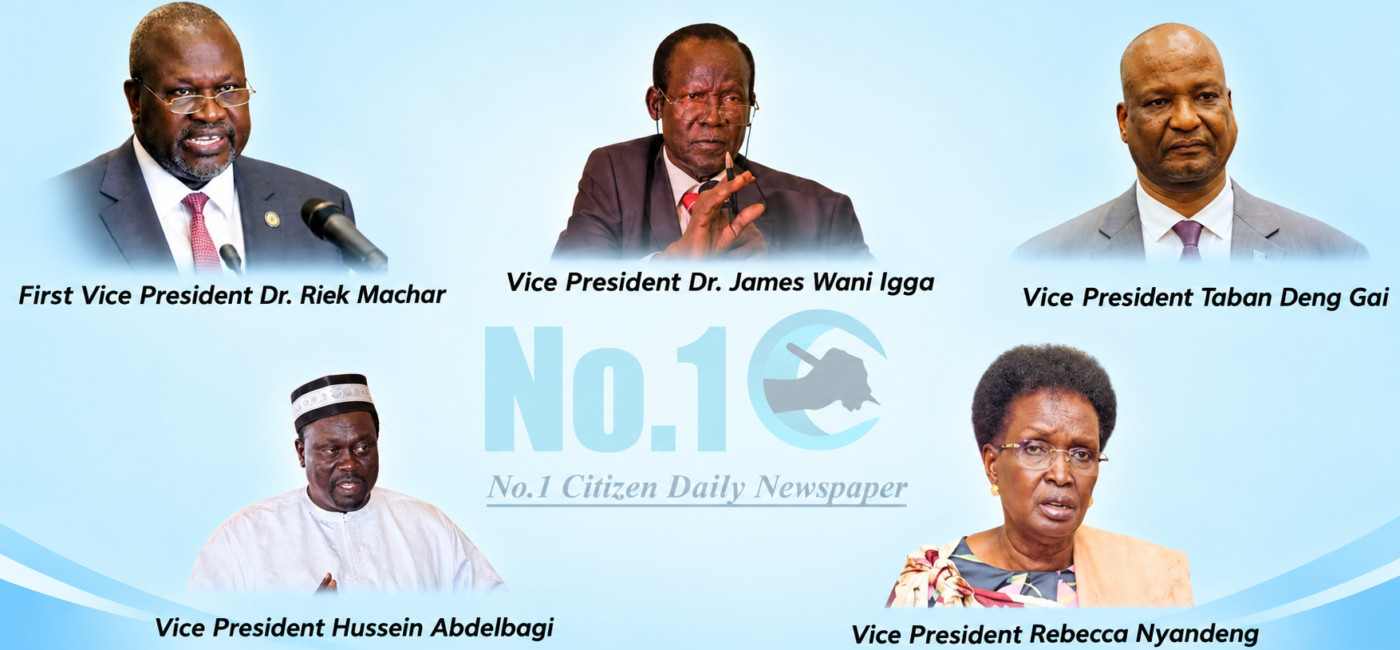
The order removes the first vice president and four other vice presidents from office.
The order removes First Vice President Riek Machar Teny-Dhurgon, Vice President James Wani Igga, Vice President Taban Deng Gai, Vice President Rebecca Nyandeng de Mabior, and Vice President Hussein Abdelbagi Akol from office, effective September 22.
President Kiir will remain in office until an elected president assumes power.
The changes follow amendments to the National Elections Act signed by President Kiir on Monday.
The amended law provides for changes to transitional institutions during the period preceding the elections.
The republican order also relieves national ministers and deputy ministers of their portfolio duties.
National ministries, however, will continue operating under caretaker arrangements.
Some ministries will be managed by acting ministers appointed by the president.
Other ministries will be administered by undersecretaries responsible for daily operations.
The arrangement is intended to ensure government services continue during the political transition.
The Transitional National Legislative Assembly and the Council of States have also been dissolved.
The dissolution removes the country’s transitional national legislature as the election period begins.
State legislative assemblies have similarly been dissolved.
Legislative councils in the three administrative areas are also affected.
State governments have been dissolved, with governors and other political appointees relieved of their duties.
The changes reach the county level, where commissioners have been relieved of their political and policy responsibilities.
Outgoing commissioners may continue performing essential duties until interim commissioners take over.
Their responsibilities include maintaining public services, public order, and administrative continuity.
As part of the transition, the president has established caretaker arrangements to keep government operations running.
Caretaker ministers will oversee key portfolios, including foreign affairs, defense, interior, justice, finance, petroleum, and national security.
Other ministries will continue operating under their respective undersecretaries.
Appointed caretaker governors will now administer the states until elected authorities assume office.
Caretakers were also appointed in three administrative areas.
Caretaker chief administrators will oversee the administrative areas during the transition.
Caretaker officials must remain politically neutral and operate within the Constitution and applicable laws.
The arrangements will remain in place until elected authorities assume office following the December elections.