
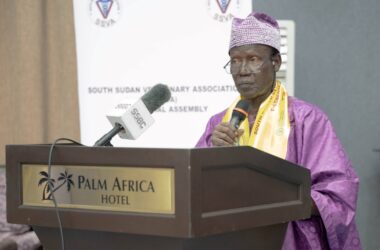
By Lodu William Odiya Vice president and the Chairperson for the Economic Cluster, Dr. James Wani Igga has reaffirmed readiness to support the Ministry of Livestock and Fisheries in order to advance disease control. In a statement released by the Vice president’s press unit yesterday, Igga emphasized that the Veterinary[Read More…]
Business
SSRA Unveils 160 billion SSP Revenue Target, Pushes Digital Reforms
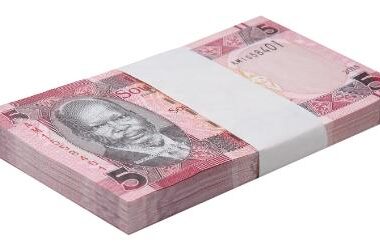
By Lodu William Odiya The South Sudan Revenue Authority (SSRA) has unveiled a target of 160 billion South Sudanese pounds per month over the remaining four months of the 2025–2026 fiscal year. According to SSRA press unit, a senior management leadership meeting convened at its headquarters in Juba to introduce[Read More…]
Economist advises public to return SSP to the bank
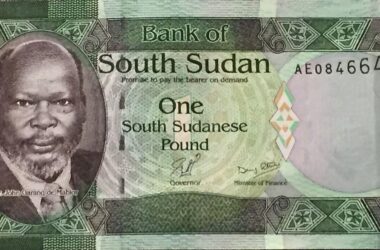
By Alan Clement Economist Abraham Maliet has called for an investigation into a viral video showing large quantities of South Sudanese pound banknotes, urging holders of the cash to return it to the Bank of South Sudan. A video circulating widely on social media platforms in recent days appeared to[Read More…]
Nimule Cargo Delays Blamed for Sharp Rise in Fuel Prices
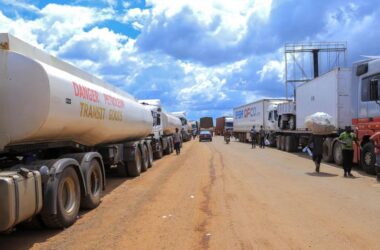
By Alan Clement An economist has blamed cargo delays at the Nimule border for rising fuel prices in South Sudan, warning that supply disruptions are aggravating the country’s already fragile economy. Economist Dr. Abraham Maliet said the growing backlog of trucks carrying goods and fuel into the country has significantly[Read More…]
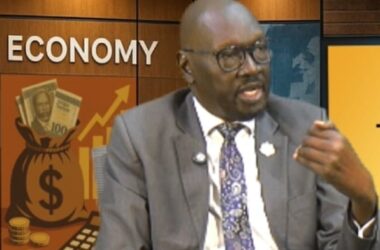
Economist Warns of Oil Market Shock as Middle East Crisis Deepens
By Chol D. Johnson A senior economic adviser has called on the government of South Sudan to put precautionary measures in place amid escalating tensions involving Israel, the United States, and Iran. He warned that further instability could significantly affect the country’s fragile economy. In an exclusive interview with this[Read More…]
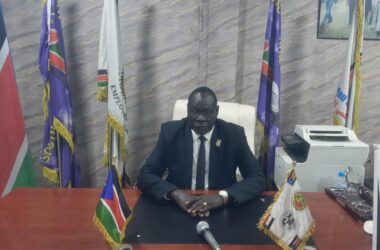
Business Community Calls on New Finance Minister to End Black Market Cash Dealings
By Chol D. Johnson The South Sudan Business Community has urged the newly appointed Minister of Finance and Planning, Salvatore Garang Mabiordit, to take immediate measures to curb black market currency dealings and address the ongoing liquidity crisis in the country’s banking sector. Speaking during a press conference on Thursday,[Read More…]
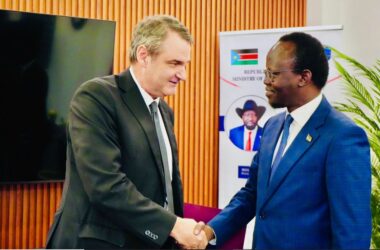
ECONOMY South Sudan,Word Bank Reaffrim Partnership Amid Fiscal Pressure
By Alan Clement South Sudan’s government and the World Bank Group have reaffirmed their commitment to deepening economic cooperation as the country navigates fiscal constraints and ongoing development challenges. According to the finance Ministry, the renewed partnership was reaffirmed during a meeting in Juba between the Minister of Finance and[Read More…]
In Juba, a New Guard of Fact-Checkers Battles a Surge in Digital Disinformation
By Kei Emmanuel Duku A new generation of young journalists in Juba is deploying advanced digital tools and artificial intelligence to combat a growing wave of misinformation that experts warn has become a top-tier danger to the world. Under the Clarity Desk’s election-fact-checking initiative, five fellows are undergoing intensive mentorship[Read More…]
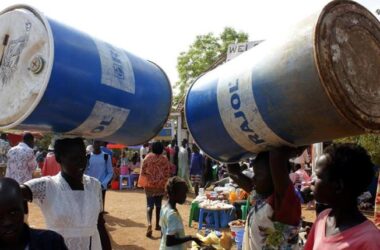
South Sudan’s Oil Riches Fail to Lift Citizens from Poverty-World Bank
By Alan Clement South Sudan’s vast oil wealth has failed to translate into citizens prosperity, leaving the country mired in poverty, instability and economic decline, according to the World Bank South Sudan Public Finance Review 2026. The latest World Bank report paints a stark picture of a nation where oil[Read More…]
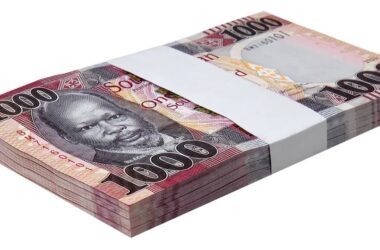
South Sudan’s currency is collapsing as government borrowing hits 70% of Gross Domestic Product-GDP
By Kei Emmanuel Duku South Sudan’s economy has been pushed into a state of debt distress and unsustainability as a lack of fiscal discipline, accommodated by the monetary and financial sectors, triggers a collapse of the national currency. A new World Bank Group report, titled “A Narrow Path to Recovery:[Read More…]
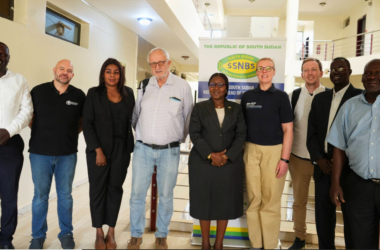
SSNBS Seeks FAO Support to Strengthen Laboratory Capacity and Food Safety Oversight
By Alan Clement The South Sudan National Bureau of Standards is renewing efforts to boost staff capacity and laboratory systems to strengthen food safety regulation, after high-level talks with the Food and Agriculture Organization in Rome. In a statement, the engagement on Wednesday, was led by the Executive Director of[Read More…]
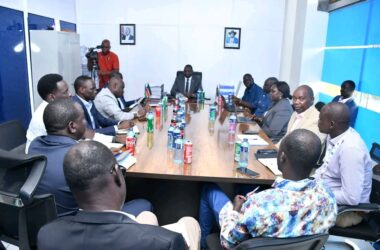
Revenue Authority orders end to non-humanitarian tax breaks at Mombasa port Officials from the South Sudan Revenue Authority (SSRA) hold an operational meeting at the Port of Mombasa, Kenya. The high-level delegation gathered to discuss new directives on fiscal discipline and revenue mobilization. (Photo: SSRA Media Unit) By Kei Emmanuel Duku The South Sudan Revenue Authority (SSRA) has launched a sweeping crackdown on tax waivers, ordering its officials to immediately halt all non-humanitarian exemptions at the Port of Mombasa. The directive marks a significant shift in the country’s economic policy as the government moves to recover millions in lost revenue. The order was delivered on Tuesday by SSRA Commissioner General, Hon. William Anyuon Kuol, during a high-level operational assessment in Mombasa. Accompanied by Customs Commissioner Akech Tong and a delegation of senior advisors, Anyuon told staff that the era of easy exemptions is over. “In case of any exemption that has come from last Friday up to today, you must cancel it and ensure taxes are paid. There are no more exemptions,” the Commissioner General declared. “Any exemptions already on your table should be treated as cancelled.” This decision follows the “Memo on Fiscal Discipline and Economic Recovery” recently presented by Finance Minister Dr. Bak Barnaba Chol and approved by the Council of Ministers under the chairmanship of President Salva Kiir Mayardit. Anyuon emphasized that the move is a critical part of safeguarding national funds in line with ongoing reforms. “The directive is clear: unless you are delivering life-saving aid, the bill must be paid,” an agency spokesperson added. “We are moving from a culture of waivers to a culture of accountability.” However, the government is maintaining a narrow window for essential aid. Commissioner General Anyuon clarified that the only legally recognized tax breaks currently apply to humanitarian organizations, including UN agencies and both international and local NGOs. Even these remain under intense scrutiny. “You need to verify whether the goods being imported match what the government has exempted,” Anyuon warned port officials. “The contents of the containers must correspond with the approved exemptions.” The shift was welcomed by Bulis Maker, the Assistant Commissioner in charge of Mombasa operations, who noted that widespread tax waivers have long drained the national treasury. “As a government, we lose a lot through exemptions,” Maker stated while addressing the staff. “This is government policy, and as implementers and regulators, we must enforce what the government has decided. Exemptions not meant for humanitarian purposes should come to an end.” By closing these loopholes at the Port of Mombasa, the government hopes to generate the necessary funds to support critical public programs. As one official put it, “Mombasa is the gateway to our economy, and today, we have placed a lock on the door to revenue leakage.” The Port of Mombasa in Kenya serves as the primary maritime gateway for almost all cargo destined for South Sudan. As a landlocked nation, South Sudan relies heavily on this corridor for the import of fuel, food, and medicine. Historically, the “exemption” system has been a major source of revenue leakage, with critics arguing that commercial imports were often improperly classified to avoid taxes. By enforcing the new “Fiscal Discipline” memo directly at the port, the SSRA aims to capture revenue at the source before goods begin the transit to Juba.
By Kei Emmanuel Duku The South Sudan Revenue Authority (SSRA) has launched a sweeping crackdown on tax waivers, ordering its officials to immediately halt all non-humanitarian exemptions at the Port of Mombasa. The directive marks a significant shift in the country’s economic policy as the government moves to recover millions[Read More…]
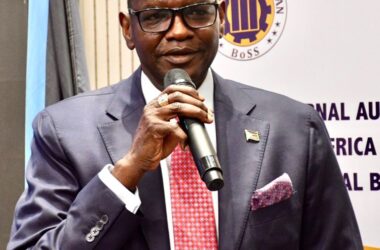
EAC Central Banks Internal Audit Conference Opens in Juba
By Lodu William Odiya The 10th Internal Audit Conference for East African Community (EAC) Central Banks has officially opened in Juba, bringing together delegates from Somalia, the Democratic Republic of Congo, Burundi, Uganda, Tanzania, Rwanda, and Kenya. In statement issued by the central bank yesterday, the conference focuses on data[Read More…]
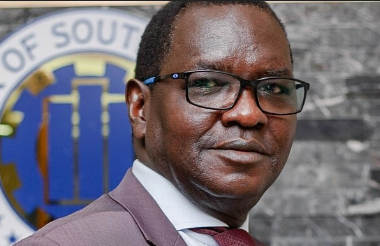
Business community urges bank’s governor to solve the cash crisis
By Yiep Joseph The South Sudan business community has called on the governor of Bank of South Sudan (BoSS) to solve the cash crisis, citing that it is putting businesses on their knees. The call followed the ongoing liquidity crisis where most banks operate without cash, the South Sudanese Pound[Read More…]
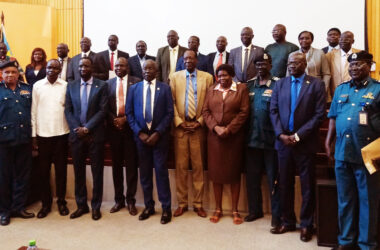
Domestic Tax Director: Majority of Foreign Workers Evade Tax
By Kei Emmanuel Duku The Commissioner of Domestic Taxes at the South Sudan Revenue Authority (SSRA), Chol Paul Kur, has revealed that the majority of foreign employees operating within the private and humanitarian sectors in the country are under-declaring their tax liabilities, constituting a significant loss of national revenue. Commissioner[Read More…]
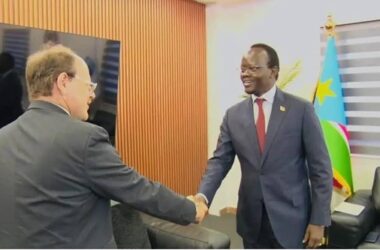
Finance Minister commits to PFM implementation
By Lodu William Odiya The Minister of Finance, Bak Barnaba Chol Bak has unveiled a new reform strategy aimed at deepening economic cooperation and improving public financial management (PFM) across the country. According to statement issued by the Ministry of information Department of communication yesterday, the remark comes after meeting[Read More…]
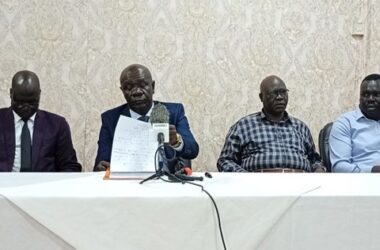
Transport Ministry launches major reforms to boost trade and employment
By Alan Clement South Sudan’s Ministry of Transport has launched a multi-pronged reform drive aimed at strengthening its institutional capacity, cutting import costs, and improving trade links along the Northern Corridor. Speaking at a press briefing in Juba on Thursday, Minister Rizik Zachariah Hassan outlined plans to fill hundreds of[Read More…]
BoSS launches Interbank Payment and Settlement System
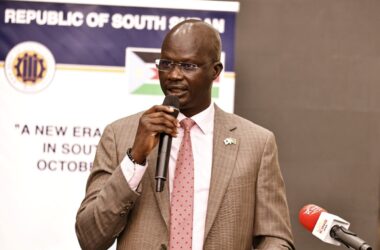
By Yiep Joseph The Bank of South Sudan (BoSS) has launched the country’s first Interbank Payment and Settlement System to ease transactions. According to the stakeholders, the initiative, which was officially launched on Friday, adds to the success stories toward modernization of the banking system in the Republic of South[Read More…]
Gov’t : ‘Bring your Money to the Banks’
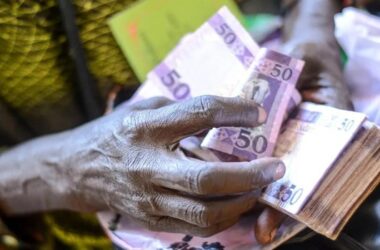
By Yiep Joseph The government has reiterated its call on traders to deposit money into commercial banks as a liquidity crisis hits. With reports of commercial banks running out of cash, the Minister of Trade and Industry and the Governor of the Bank of South Sudan (BoSS) have made a[Read More…]
South Sudan eyes infrastructure investment to boost road connectivity, trade
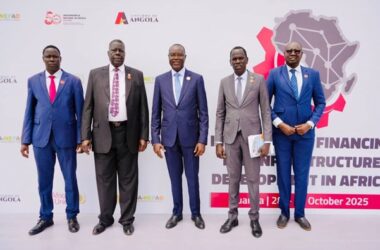
By Alan Clement South Sudan has joined African leaders in Luanda, Angola, for a high-level continental forum convened under the theme “Investing in Infrastructure for the African Continental Free Trade Area and Shared Prosperity.” According to a statement from the Ministry of Finance’s press unit, the Financing for Infrastructure Development[Read More…]