

By Kei Emmanuel Duku
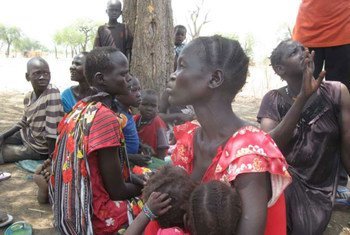
The cooking fires in Duk County have gone cold, replaced by the acrid smell of smoke from burning homesteads and the hollow silence of a land where the only thing growing is hunger. For the mothers huddling in the thickets of Jonglei State, the sound of a crying child is no longer just a call for attention it is a haunting reminder that there is simply nothing left to eat, and nowhere left to run.
In a searing alert issued on February 9, CARE South Sudan warned that a fresh eruption of conflict is rapidly dismantling what remains of human dignity in one of the world’s most fragile regions. Since late December 2025, a brutal surge in fighting across Nyirol, Uror, Ayod, and Duk counties has uprooted more than 230,000 people.
These families are now living in overcrowded conditions where clean water, basic healthcare, and protection services have become a vanishing luxury, compounding the trauma of a population still recovering from a brutal civil war.
The violence is unfolding against a terrifying backdrop of “Extremely Critical” malnutrition the most lethal designation on the humanitarian scale. According to CARE South Sudan, which cites the latest Integrated Food Security Phase Classification (IPC) projections, three counties in Jonglei have now reached the catastrophic Phase 5 status.
This means that for thousands, the “severe food gaps” are no longer a statistic, but a daily brush with death as markets are shuttered and farming activities are paralysed by the threat of gunfire.
As the infrastructure of survival is systematically erased, health and nutrition clinics have been reportedly looted, damaged, or forced to suspend operations. This has severed the final lifeline for pregnant women and breastfeeding mothers. CARE warns that women and girls are carrying a disproportionate burden of this nightmare, with displacement and overcrowding igniting a surge in gender-based violence.
The latest figures already show an alarming prevalence of conflict-related sexual violence and abductions, a trend that is only worsening as humanitarian access remains choked by insecurity and movement restrictions.
“Conflict is not only displacing families, it is destroying livelihoods and accelerating hunger in a state that was already on the brink,” warns James Akai, CARE South Sudan Country Director.
He emphasized that the IPC analysis shows Jonglei was facing alarming levels of food insecurity even before this escalation, stating firmly that “continued violence risks pushing more communities toward catastrophic hunger.”
Reinforcing the desperation of the mission, Akai added that the time for political manoeuvring has long passed. “Humanitarian access is a matter of survival, not politics. All parties to the conflict must protect civilians and ensure safe, timely, and unhindered access for humanitarian actors. Without access, hunger will deepen, preventable diseases will spread, and lives will be lost.”
One aid worker on the ground described the psychological toll on the displaced: “You see the fearful hearts before you see the empty bowls. Mothers are trying to boil wild leaves to stop the stomach pains of their children because the granaries are burnt and the clinics are empty. For many here, the hope of a peaceful South Sudan is starving to death alongside them.”
The current nightmare in Jonglei is the latest chapter in a volatile pattern of instability currently gripping the South Sudanese countryside.
This renewed conflict is characterized by a lethal mix of inter-communal clashes and retaliatory raids that have intensified since late 2025, effectively paralysing the agricultural heartlands.
These localized wars have prevented a population still recovering from a decade of civil war from achieving any semblance of food sovereignty.
As displacement numbers swell, the strain on neighboring counties continues to grow, leaving the entire eastern frontier of the country on the precipice of a total humanitarian collapse.