

By Kei Emmanuel Duku
South Sudan’s judiciary has launched an unprecedented crackdown on wildlife crimes, signaling a dramatic shift from years of legal stagnation to a robust movement for conservation justice. Khemis Adieng, the Director General of the National Wildlife Service, revealed that the courts have suddenly prioritized environmental cases, marking a significant turning point as the nation prepares its dossier for the World Heritage site nomination.
Reflecting on the progress made over the past, Adieng noted that while legal processes were once crippled by delays, the tide has turned against commercial poachers.
“These days we have a lot of cases in the court. But now things are moving,” Adieng said. “I don’t know why the court has picked much interest in wildlife crimes, but there is a movement and progress in the courts when it comes to wildlife crimes. They are looking into wildlife crimes seriously not like before.”
The Director General highlighted the stark contrast to previous years when dozens of cases would languish without ever reaching a judge. He noted that in the past, the ministry could have 40 cases in trial but the process remained so slow that none were actually looked into by the court.
This new era of judicial attention, Adieng said is supported by the presence of legal professionals from the Ministry of Justice and Constitutional Affairs working alongside the wildlife department.
“Now this time there is a change. I don’t know what happened,” Adieng observed. To complement this judicial momentum, the ministry is working with African Parks to disseminate the new Wildlife Conservation and Protected Area Act 2026, ensuring that ignorance of the law is no longer a shield for those destroying the nation’s heritage.
“We should make the public aware that poaching is unlawful,” Adieng explained, stressing the importance of community awareness programs. “So next time when someone commits a crime he/she does say he/she is not aware but deserves to be taken to the court and if found guilty is taken to the prison.”
The internal challenges of the Wildlife Service are also being addressed, as the leadership looks to modernize a workforce currently strained by an aging personnel pool and a lack of a government pension scheme.
Adieng stated that once the pension system is installed, the ministry intends to screen the existing labor force to recruit a more capable and energetic team to protect the parks.
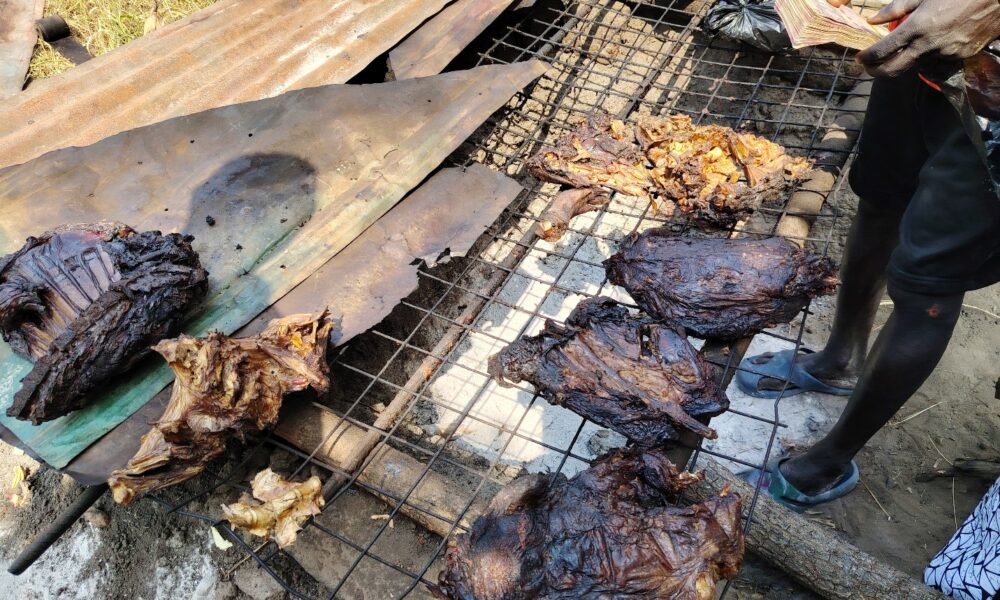
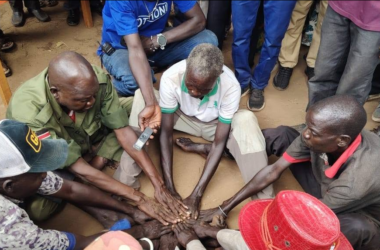
Parallel to these judicial successes in the capital, a strategic workshop in Bor focused on the Great Nile Migration Landscape has proposed the establishment of a special wildlife court modeled after the Ugandan approach. The dialogue which brought together 81 participants from Twic East and Bor South County address the rampant poaching fueled by the widespread presence of illegal firearms.
One workshop participant emphasized the danger posed by the sheer volume of weapons currently held outside of government control.
“The most important thing is that arms are in the hands of civilians,” the participant stated. “The soldiers who are assigned to protect the wildlife, they are still unable to do that because of more arms in the hands of the civilians and it is also very difficult for the government at the moment to remove or take arms out of the hands of the civilians.”
To resolve these tensions, African Parks and local stakeholders passed several resolutions aimed at long-term conservation and community stability. These agreements include the return of confiscated motorbikes to communities in consultation with local chiefs and the commitment of hunters to reduce the intensity of their activities.
In a move toward inclusivity, the resolutions state that former poachers will be considered for recruitment into the South Sudan Wildlife Service (SSWS) while awareness campaigns regarding the impacts of the bushmeat trade are intensified.
The parties also agreed to institutionalize regular dialogue and examine alternative economic opportunities to move away from illegal hunting.
The current management of these critical landscapes falls under a 10-year renewable agreement signed in 2022 between African Parks and the Government of South Sudan. This partnership currently oversees Boma and Badingilo national parks, ensuring that the Great Nile Migration Landscape is protected as part of a broader effort to manage 30 million hectares of critical biodiversity hotspots across the continent by 2030.