


By Alan Clement
South Sudan’s humanitarian response faces mounting pressure as funding gaps threaten the lives of nearly two million displaced people, even as fresh violence and displacement continue to drive urgent needs across the country.
In its Flash Update No. 11 on the conflict in Jonglei State as of March 6, the United Nations humanitarian coordination body warned that shrinking aid budgets could severely undermine relief efforts for millions already struggling with the consequences of conflict, disease outbreaks and displacement.
According to the United Nations Office for the Coordination of Humanitarian Affairs (OCHA) South Sudan update, the International Organization for Migration (IOM) has cautioned that “funding shortfalls are putting the lives of nearly two million displaced people in South Sudan at risk amid rising humanitarian needs.”
The warning comes as humanitarian agencies struggle to respond to escalating crises across several states, particularly in Jonglei, where fighting between government forces and opposition groups has triggered large-scale displacement since late December 2025.
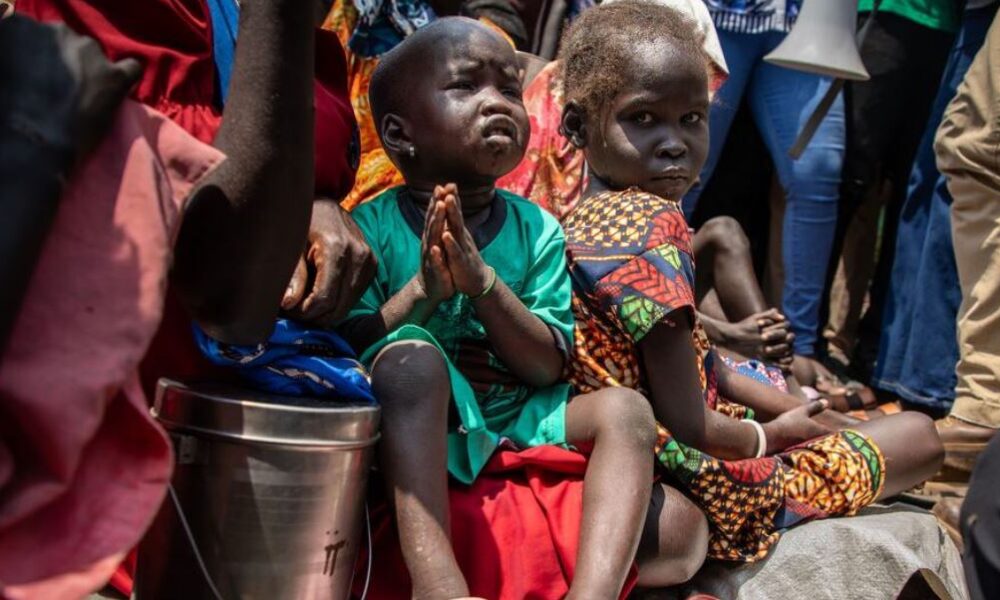
The report stated that more than 263,000 people have been displaced between January and late February 2026 across Jonglei, Lakes, Upper Nile and Central Equatoria states, with many fleeing into remote areas or temporary settlements in search of safety.
Large numbers of displaced families are currently concentrated in counties such as Nyirol, Uror, Ayod, Duk, Akobo and Twic East in Jonglei State, where humanitarian partners are attempting to provide emergency food assistance and basic services.
Despite these efforts, aid agencies warn that resources remain insufficient to meet the scale of needs.
According to the humanitarian update, the IOM’s 2026 response plan faces a funding gap of about $29 million, reflecting a wider global trend in which major donors have reduced foreign aid spending.
Humanitarian officials said the shortage of funds risks slowing progress toward durable solutions for millions of displaced people in South Sudan, one of the world’s most protracted humanitarian crises.
The funding concerns come at a time when humanitarian needs are rising sharply due to conflict-related displacement, disease outbreaks and protection threats affecting civilians.
The OCHA update notes that women and children make up the majority of the displaced population. Women account for about 61 per cent of the displaced, while children under the age of 18 represent over half of those affected, including tens of thousands of children under five years old.
Many displaced communities are facing severe shortages of food, healthcare, shelter, clean water and sanitation facilities.
Humanitarian partners have been scaling up emergency assistance in several affected areas, including food distribution, protection services and emergency health interventions. However, ongoing population movements and insecurity continue to complicate the response.
Aid agencies also report growing protection risks for civilians in conflict-affected areas, including killings, abductions, family separation and gender-based violence.
Meanwhile, humanitarian access remains a major challenge in some locations due to insecurity, poor road networks and limited communication infrastructure. Despite the funding difficulties, some support has been mobilized to sustain emergency operations.
According to the OCHA update, the United States Government has allocated $100 million through the South Sudan Humanitarian Fund to support life-saving assistance for approximately 1.3 million people facing the most severe humanitarian needs across several states.
The funding will target displaced people, refugees and vulnerable host communities in priority counties in Upper Nile, Unity, Jonglei, Warrap, Northern Bahr el Ghazal and Eastern Equatoria, as well as the Abyei Administrative Area.
Nevertheless, aid agencies warn that additional international support will be necessary to prevent the humanitarian situation from worsening.
With conflict continuing in parts of Jonglei and displacement still rising, humanitarian officials say sustained funding will be essential to ensure that vulnerable communities receive the life-saving assistance they urgently need.