

By Kei Emmanuel Duku
South Sudan’s financial future is being held hostage by a law of nature where the strongest survive and global conflicts dictate local stability, according to senior cabinet ministers who warned yesterday that the nation’s 2025/26 budget is under immediate threat.
The Minister of Livestock and Fisheries, Onyoti Adigo Niykwec, issued a stark warning during the second reading of the 2025/26 draft budget that the conflict between the United States and Iran is already destabilizing South Sudan’s economy.
“The fuel has gone up and it is going to go up. Our people are going to suffer more than what you are expecting now,” Niykwec cautioned, arguing that the only way to insulate the country is to pivot funding toward productive sectors like agriculture, mining, and tourism.
“The best is first of all to give money to the institutions which can are engaged in production so that as a country, we get much money to fund education and health and others,” Niykwec stated.
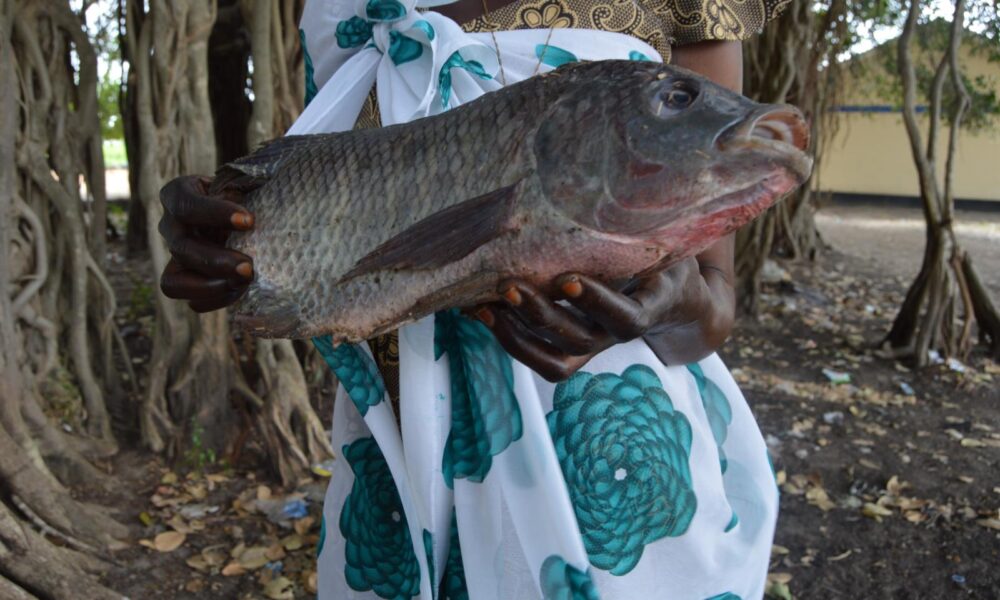
He lamented that his own ministry, despite being a revenue generator, only spent 3% of its budget due to a lack of facilities. “We are contributing money to the government treasury yet we are underfunded and operating depilated facilities, so more should be allocated to the livestock and fisheries sector”
This plea for investment in production was met with a candid admission from Salvatore Garang Mabiordit, the Minister of Finance and Planning, who described the national budget as a fragile “assumption” vulnerable to the whims of the ongoing Middle East conflicts. With oil accounting for nearly 90% of South Sudan’s revenue, Garang admitted that “if it is delayed, then the revenue drops.”
“Right now, there is war happening in the Middle East. Oil is almost 90% of the budget of our budget,” Garang explained. He further addressed the internal mismanagement that has plagued the nation’s wealth, stating, “To be frank, we are the richest in the East African Community. But because of management, the way we manage our financial affairs, we don’t stick to the financial regulations that give transparency and accountability.”
Meanwhile, Michael Ayuen Johnson, the Chairperson of the Committee on Finance and Economic Planning, detailed the systemic failures resulting from these funding gaps. Michael Ayuen Johnson observed that the Ministry of Wildlife, Conservation and Tourism received no allocation for infrastructural development, while the livestock sector remains crippled by limited transport capacity that has curtailed supervision, field presence, and rapid response capability across livestock-producing regions.”
The committee’s report on finance further warned that recurring livestock diseases continue to expose the national herd to avoidable losses due to low vaccination coverage. To combat this, the Committee issued a directive for a major fiscal shift.
“The Committee urges Ministry of Finance and Planning to allocate 10% of annual national budget as directed by president that Agriculture and Food Security be the backbone of the economy and must be prioritized in budget allocation and execution,” Michael Ayuen Johnson stated.