

By Sabri Dibaco
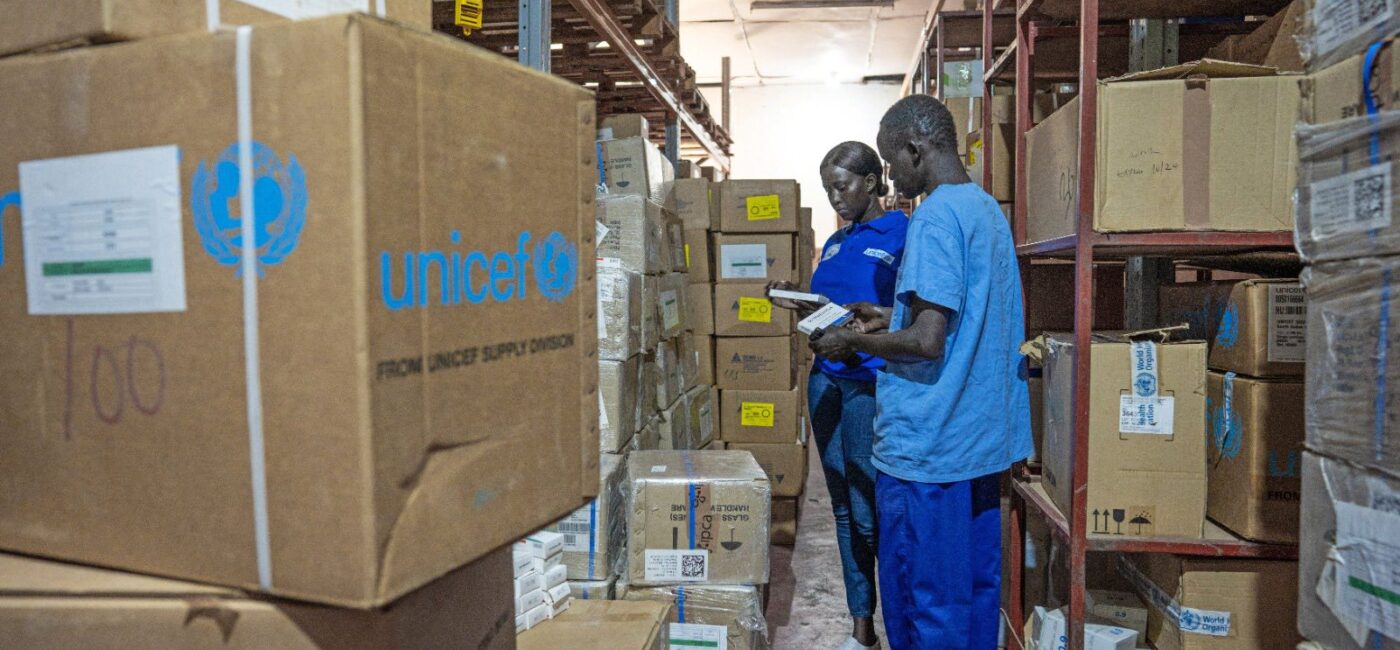
The government of South Sudan has announced the ongoing nationwide distribution of essential medicines under the Health Sector Transformation Project (HSTP) Circle 4, even as citizens continue to report critical shortages of drugs in public health facilities.
In a press release from the office of the Minister of Health, it was confirmed that medical supplies have already been successfully delivered to Lakes State, Warrap State, the Greater Pibor Administrative Area, and Unity State. Authorities further noted that additional consignments are currently en route to the Abyei Administrative Area, Northern Bahr el Ghazal (Aweil), Western Bahr el Ghazal (Wau), and the Ruweng Administrative Area, with expected arrivals within the week.
Ministry officials added that the remaining states are in the final stages of picking, packaging, and dispatch preparation to ensure timely delivery across the country.
“The remaining states are currently undergoing picking, packaging, and final dispatch preparations to ensure timely delivery,” the statement reads.
The distribution falls under the broader Health Sector Transformation Project (HSTP), a government-led, multi-donor initiative designed to strengthen South Sudan’s fragile healthcare system. The project’s core objectives include essential medicines.
Despite these assurances, many citizens across South Sudan continue to express frustration over the lack of essential medicines in public hospitals and primary healthcare centers, Patients and caregivers in Juba and other states report being forced to purchase drugs from private pharmacies, often at prohibitively high costs, or going without treatment altogether due to persistent stockouts in government facilities.
This ongoing disconnect raises critical questions about the efficiency and transparency of the distribution process. How are medical supplies tracked from central warehouses to individual health facilities?. Are the delivered medicines reaching the intended health centers or being diverted elsewhere? or are the distributed quantities sufficient to meet the acute health needs of local populations?
South Sudan’s health system remains one of the most under-resourced globally and is heavily reliant on donor funding and international partners. Years of conflict, economic instability, and infrastructural challenges have left many facilities without consistent supplies, trained personnel, or basic equipment.
The HSTP was introduced as a reform-oriented program to address these systemic weaknesses by improving governance, financing, and service delivery within the health sector.
While the ongoing Circle 4 distribution signals progress, the reality on the ground highlights the urgent need for stronger accountability mechanisms. As the government continues its rollout, citizens and health advocates are calling for greater transparency in tracking drug distribution to ensure that life-saving medications reach those who need them most.
Until these measures are implemented, many South Sudanese patients remain caught between official assurances and the harsh reality of empty hospital shelves.