

By Sabri Dibaco
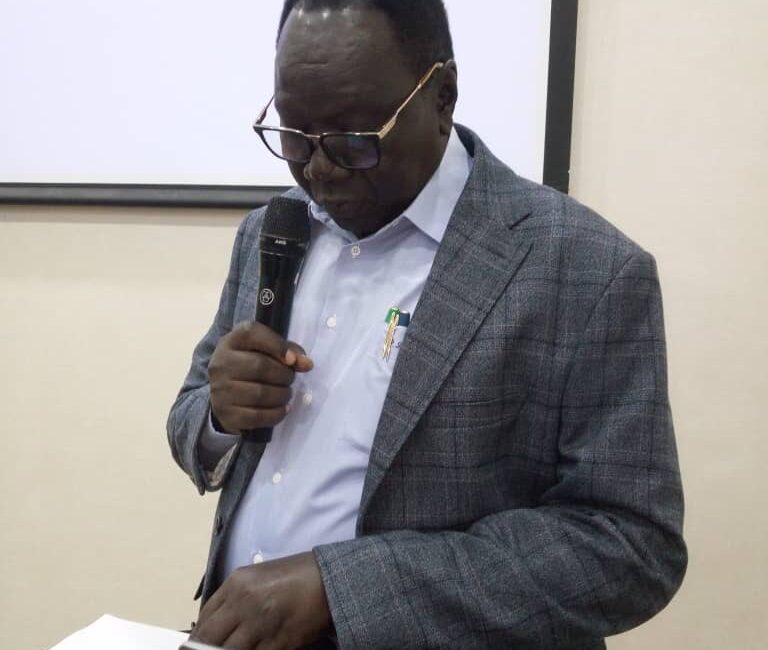
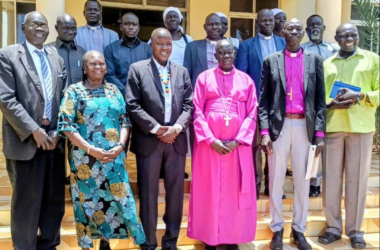
The Ministry of Land, Housing, and Urban Development, in collaboration with the Ministry of Wildlife Conservation and Tourism and partners including the University of Juba and African Parks, gathered together for a workshop to discuss balancing national growth with environmental protection.
The workshop aimed at the development of roads, railways, pipelines, power lines, and other linear infrastructure without damaging South Sudan’s rich ecosystems and wildlife migration routes.
Speaking during the opening event, the director for land, National Minister of Housing and Urban Development George Riti Richard, said that modern infrastructure, such as roads, electricity transmission lines, water pipelines, and fibre optic networks, is essential for economic recovery, trade, and improved access to services across the country.
“Sensitive linear infrastructure such as roads, airways, electricity transmission lines, water pipelines, drainage systems, fibre optic networks, and oil pipelines form the backbone of national development; our communities require better connectivity to markets, schools, hospitals, and public services.” Riti Richard said
He emphasised that as South Sudan continues its nation-building process, infrastructure expansion must be socially inclusive, environmentally responsible, and aligned with national land governance frameworks.
Senior Inspector for Certificates in the National Ministry of Transport, Mandela Jackson, highlighted ongoing efforts to develop a strategic road transport policy that integrates infrastructure planning with ecosystem protection.
“As the Ministry of Transport, we are developing a strategic road transport sector policy, which is a framework that takes into consideration the ecosystem and infrastructure aligned together,” Mandela Jackson added
Mandela Jackson said that the ministry is working closely with the Ministry of Wildlife Conservation and Tourism to ensure that transport systems, including road, rail, air, and pipeline networks, consider wildlife and environmental conservation.
The Undersecretary of the Ministry of Wildlife Conservation and Tourism, Peter Loro, warned that poorly planned infrastructure could threaten South Sudan’s globally significant wildlife populations, including what he described as the world’s largest land mammal migration.
“Our goal is to achieve both development and conservation,” adding that roads and other projects should become “pathways to a sustainable future rather than barriers to wildlife movement,” Peter Loro emphasised.
The national minister of wildlife conservation and tourism, Denay Jock Chagor, called on South Sudanese to take collective responsibility for protecting the country’s natural heritage while advancing development.
He said South Sudan’s wildlife and natural resources are a unique gift that should be safeguarded for future generations.
“Building a nation is not only in one sector alone. It is in all sectors, urging ministries and institutions to work together instead of operating in isolation,” Jock Chagor said.
The minister also appealed for unity in national development efforts, cautioning against tribal divisions when discussing land use and infrastructure planning.
“This land belongs to all South Sudanese; we are building a nation together.” Jock Chagor emphasized
The workshop is expected to produce recommendations and guidelines aimed at integrating environmental conservation into future infrastructure planning and development across South Sudan.