


By Louis laku
A civil society activist has called for electoral reforms as the country heads for the December 2026 elections, as endorsed by the Cabinet.
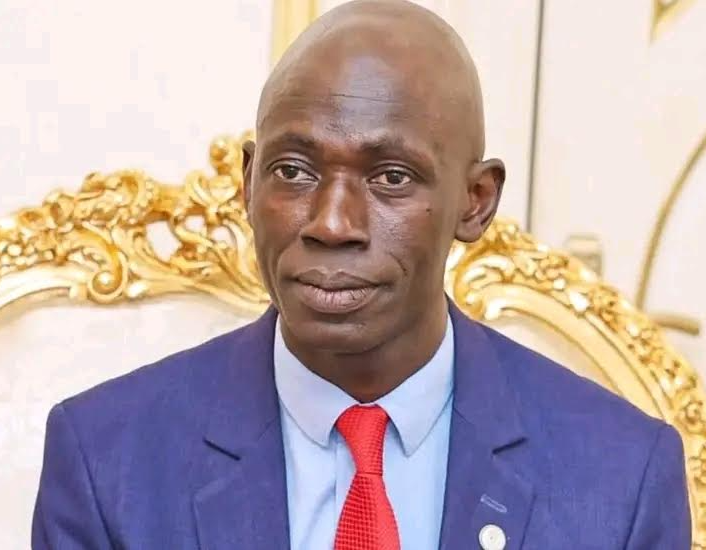
Speaking to the media, the Executive Director of the Community Empowerment for Progress Organization (CEPO), Edmund Yakani, has called on the National Election Commission to take primary responsibility for driving electoral reforms.
He expressed that this is essential for delivering credible and transparent elections in South Sudan.
Yakani’s remarks followed the Cabinet’s approval of the 2026 amendment bill to the Revitalized Agreement on the Resolution of the Conflict in South Sudan, a move intended to create a legal pathway for national elections scheduled for December 2026.
According to CEPO, the approval came during a Cabinet meeting chaired by President Salva Kiir Mayardit, where ministers endorsed proposed changes to key provisions of the peace agreement.
Yakani cautioned political leaders against taking over the role of the electoral body in shaping reforms.
“This time, political leaders should not make amendments on behalf of the National Election Commission. The Commission must be given the space to propose the legal changes necessary to conduct elections in December 2026,” Yakani said.
Yakani warned that the electoral timeline is under pressure, citing key upcoming deadlines.
He noted that June 22, 2026, has been set for the announcement of the final voters’ register and national preparedness, while the Political Parties Council is expected to submit the final list of eligible political parties by June 30.
Yakani identified two major challenges that could derail the process: gaps in the legal framework and insufficient funding.
“Even if the law is fixed, without funding, elections will face difficulties. Likewise, funding alone cannot resolve the problem if the legal framework remains incomplete,” he said.
He also raised concerns over delays in financing the National Election Commission, noting that despite repeated appeals, funds have continued to be directed to other priorities.
While welcoming the Cabinet’s decision to amend the peace agreement, Yakani emphasized the need for strict adherence to legal procedures and consensus among all signatories.
He said citizens are increasingly demanding that elections take place as scheduled in December 2026, particularly after leaders pledged that the current transitional period would be the final extension.
Yakani added that stakeholders support limited and targeted amendments focused solely on enabling elections. This includes removing impractical requirements such as the constitution-making process and a national population census.
However, CEPO cautioned against tampering with critical provisions, especially Articles 8.2 and 8.3, which uphold the supremacy of the peace agreement.
He urged leaders to follow the procedures outlined under Article 8.4 and ensure that any amendments are lawful and agreed upon by all parties.
“Amendments must focus strictly on enabling elections and should not interfere with Chapter 8 of the agreement, which is not directly related to elections,” he said.
Yakani concluded by calling for immediate and sufficient funding of the National Election Commission, warning against any indirect attempts to delay the electoral process.
“The focus should be on enabling elections, not altering the core principles of the agreement,” he stated.