


By Yiep Joseph
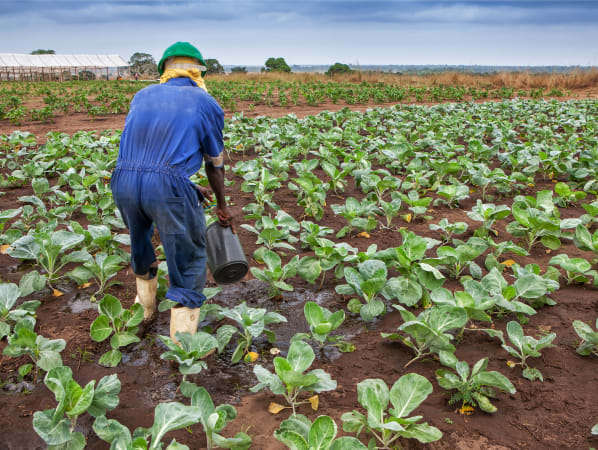
The government of Western Equatoria State has introduced a new school farming program to improve food production and strengthen practical learning in schools.
The initiative, which forms part of broader efforts to link education with agriculture, is designed to turn schools into centers of both learning and food production.
Under the program, schools are expected to establish farms of about 15–20 acres, alongside smaller vegetable gardens within school compounds.
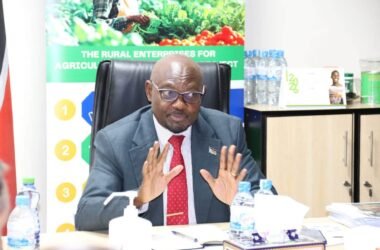
Officials from the National Ministry of General Education and Instruction recently visited WES Governor Badagbu Daniel Rimbasa to discuss program rollout.
The officials discussed other issues affecting teachers and the implementation of the new curriculum.
The deputy director for school programs, Thayien Wich Jinwang, expressed government’s commitment to ensure practical learning.
Jinwang added that the ministry is currently conducting an assessment to identify gaps in teacher training and professional development, noting the importance of improving child-centered learning to boost participation and academic outcomes.
He added that over 130 teachers were engaged during the mission, which also included a visit to Solidarity Teacher Training College.
A major highlight of the visit was the school farming program, which he said is intended to address food shortages in schools while equipping learners with practical agricultural skills.
Jinwang noted that many students currently lack basic knowledge of food production, making hands-on farming an important part of learning.
Governor Badagbu Daniel Rimbasa welcomed the initiative, describing it as a timely intervention that will improve both education and food security in the state.
He said integrating farming into school activities would not only enhance nutrition but also help students develop discipline and practical skills.
The governor pledged government support for the program, including the allocation of land and provision of farming equipment such as tractors to support large-scale school farms.
The governor further revealed that the state government has already approved 250,000 hectares of land for agricultural investment, a move expected to boost food production, strengthen food security, and support economic growth in Western Equatoria.
He also emphasized the importance of keeping children engaged in school throughout the day through a combination of academic learning and practical agricultural activities.
The school farming program is expected to be rolled out in selected schools as a pilot phase before being expanded across the state.