



By Louis Laku
South Sudan Opposition Alliance senior representative to the Ceasefire Monitor (CTSAMVM), Brigadier General Samuel Chan, has blamed leaders in the Ruweng Administrative Area and Mayom for neglect in the Abiemnom incident.
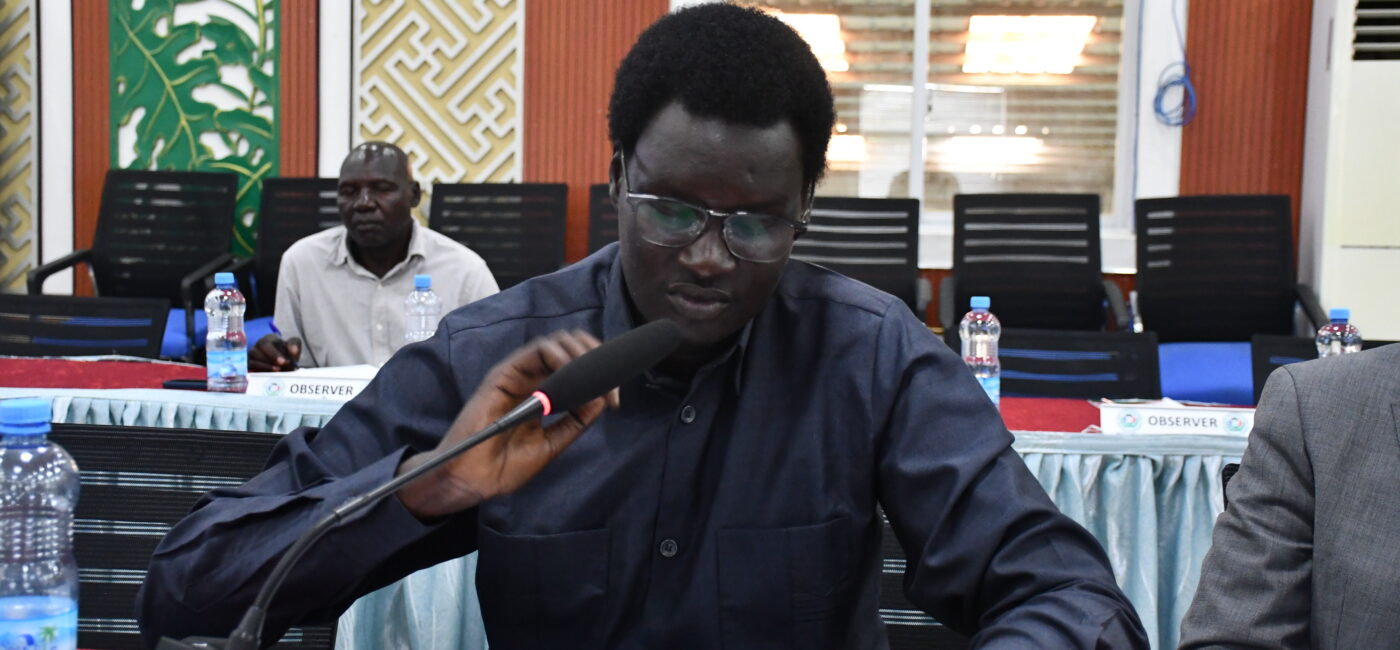
He made the call during a third Ceasefire & Transitional Security Arrangements Monitoring & Verification Mechanism (CTSAMVM) board meeting on Thursday.
Speaking during a CTMVM technical committee meeting, Brigadier General Chan said that the incident could have been rescued.
“It was a complete negligence in the deadly Abiemnom incident that left more than 200 civilians dead; the tragedy could have been prevented if early warnings and intelligence had been acted upon,” he emphasised.
Brig. Gen. Chan described the incident as a preventable catastrophe that continues to haunt communities.
He stressed that the key question remains not only what happened but also how such large-scale violence was allowed to occur.
“According to the account presented, the attack was not spontaneous but a premeditated act of revenge, reportedly linked to the earlier killing of two youths from Mayom County,” he said.
Chan warned that revenge-driven violence had triggered a deadly chain reaction, ultimately targeting innocent civilians with no connection to the initial incident.
Brigadier Chan’s statement placed responsibility on both the former Ruweng Administrative Area authorities and Unity State officials, arguing that shared authority over security and civilian protection also means shared accountability.
“Negligence begins long before violence breaks out; it begins when there are failures in leadership, coordination, and timely intervention,” he added.
He added that if authorities fail to act when danger is known, fail to investigate, and fail to coordinate, then what follows is not just tragedy; it is negligence of duty.
According to his statement, a major concern raised was the absence of early high-level intervention, which could have helped de-escalate tensions.
He noted that such visits are critical in signaling government presence, deterring potential attackers, and reassuring communities.
Chan further explained that when leadership waits until bodies are counted, it is no longer crisis management; it is reaction after the fact.
He further highlighted communication gaps, warning systems, and emergency preparedness, saying that credible intelligence, if available, should have triggered immediate action to contain the situation before it escalated.
The meeting called for an independent investigation into the failures at both administrative and state levels; greater transparency regarding intelligence and security responses; accountability measures against officials who failed to act; and support for victims and survivors, including medical care and long-term recovery programs.
Chan urged the authorities and leaders to prioritise prevention and civilian protection in the country.
“When civilians are threatened, leadership must act. When revenge is predicted, prevention must begin,” the official said.
The Abiemnom tragedy remains one of the deadliest recent incidents in the region, with families of victims continuing to demand justice and accountability.