

By Kei Emmanuel Duku
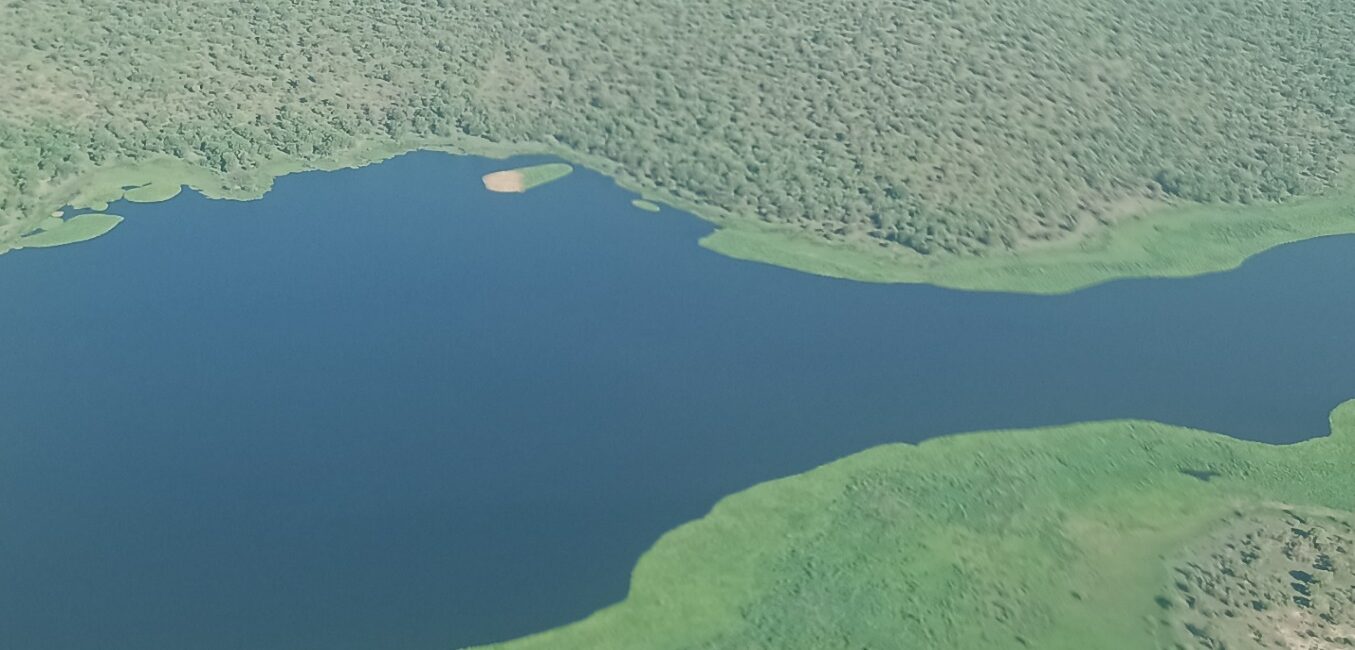
The Sudd wetland, a sprawling tropical paradise and the largest wetland in Africa, has emerged as a critical global sanctuary for biodiversity, serving as a vital breeding ground for migratory birds fleeing the harsh winters of Central Europe and Asia.
Environmental expert Nyamach Hoth Mai revealed that every winter, these species migrate to the Sudd’s warmer climate to breed, highlighting South Sudan’s international importance as a member of the Ramsar Convention.
This massive ecosystem, which is the second largest in the world after the Pantanal wetlands in the United States of America (USA), hosts a staggering array of life, including over 400 species of birds and more than 100 species of mammals.
Despite its global significance, this “tropical wetland” is home to species now teetering on the edge of extinction. Nyamach Hoth Mai noted that the population of endangered African elephants has plummeted to just 5,000 individuals, while the Nile lechwe, an endemic cobra species, is found nowhere else on earth but at the Sudd.
The scale of movement within this habitat is immense; aerial views capture the constant migration of hoofed animals, such as tiang and antelopes, moving in vast numbers from Bandingilo and Boma National Park through Nimule toward Uganda and Kenya.
“Sud wetlands regulate our environment because it filters and it’s a fresh water, and it supports a lot of communities; especially, we have the fishery, we have the agriculture, and somehow we also have the wildlife, which is a very great economic value for South Sudan if we really invest in our ecotourism,” Mai explained.
However, this critical ecosystem faces devastating threats from climate change and human activity. Over-flooding within the Nile basin is currently submerging vital woodlands and grasslands, leading to a massive loss of biodiversity as animal habitats are destroyed. Agricultural runoff and human settlement further contaminate the water systems and shrink the wetland’s boundaries.
The economic potential of the Sudd is already evident in the thriving fishery trade, with dried fish regularly transported from Bor to markets in Congo and Uganda. To protect this resource, Mai called for urgent government action, citing a critical lack of environmental law enforcement and funding. “The budget of the ministry is just a peanut within the national budget,” Mai stated, urging the government to prioritise environmental issues and enact the long-stalled environmental bill currently stuck in the Ministry of Justice. The establishment of a national environment authority is seen as a necessary step to regulate developmental projects and manage fisheries and agriculture along the wetland.
David Batali Oliver, the acting undersecretary of the Ministry of Environment and Forestry, emphasised the dynamic nature of this ecosystem, noting that the Sudd covers approximately 57,000 square kilometers, though it expands and shrinks with seasonal changes. This creates a complex relationship between the water and the life it sustains.
Tong Deng Anie, the managing director of the White Nile and Sudd Centre, pointed out a tragic irony: while the Sudd contains abundant water and resources, citizens in different areas are still dying for lack of access.
Anie argued that the country must move beyond reliance on boreholes and establish a water system that makes the Nile and Sudd water available to every household.
The connection between water and survival was further underscored by Zachaira Diing Akol, an independent researcher, who noted that human settlements have historically aligned with the Nile because water is life.
Akol observed that while hunger takes days to kill, dehydration can prove fatal in just a few hours. This immersive connection between the water, the birds, and the mammals is what makes the Sudd a recognised international treasure.
As a signatory to the Ramsar Convention, South Sudan is now internationally obliged to use every provision within the treaty to protect and conserve the Sudd wetlands for future generations.