

By Deng Athian
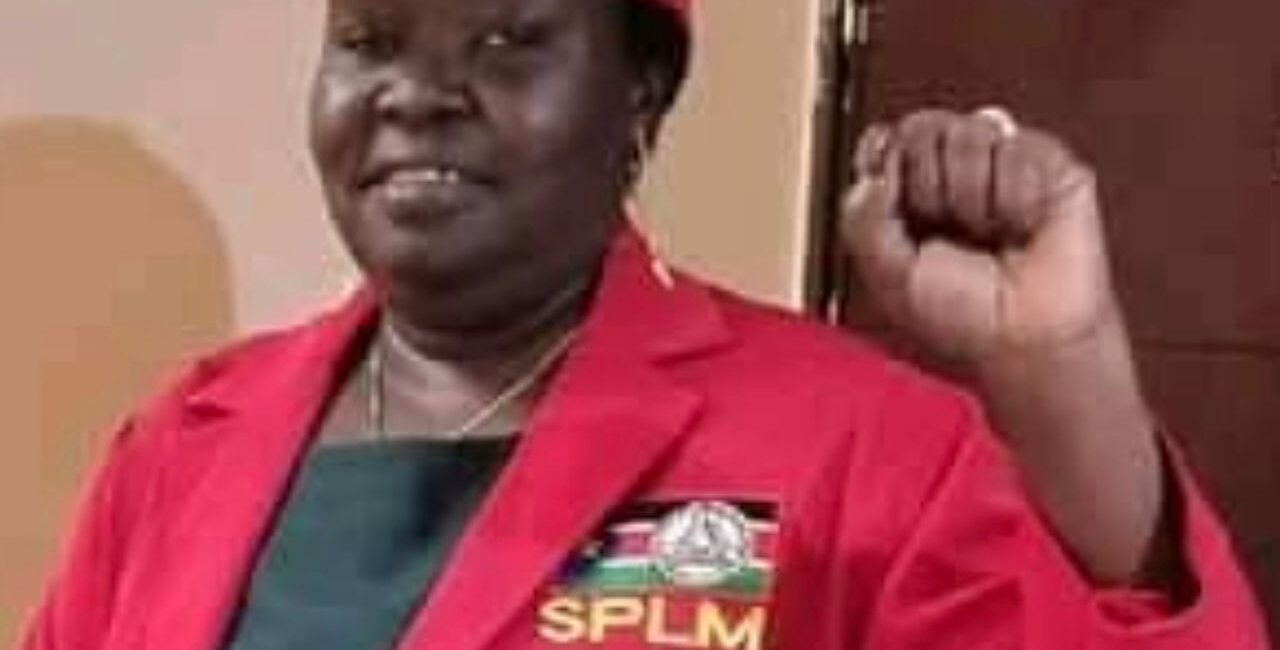
Former Member of Parliament Ajok Wol Atak has called for greater participation of women in South Sudan’s democratic and electoral processes, arguing that women play a critical role in promoting peace, national unity, and credible elections ahead of the country’s anticipated polls.
In a statement addressed to Hon. Adut Salva Kiir Mayardit, Ajok, who is also the wife of former Chief of General Staff Gen. Paul Malong Awan, appealed for stronger engagement of women and mothers in grassroots peacebuilding and civic mobilisation as the country prepares for elections.
She expressed concern over the country’s deteriorating security and social conditions, warning that continued instability threatens communities across South Sudan and disproportionately affects women and children, who often bear the greatest burden during periods of conflict.
According to Ajok, women are indispensable to democratic governance, serving not only as voters but also as peace advocates, community mobilizers, and agents of reconciliation. She said their active participation helps promote dialogue, foster political tolerance, and encourage peaceful competition among political actors.
“Women have always been at the center of building families and communities. Their contribution is equally essential in building peace and strengthening democracy,” she noted.
Ajok urged Hon. Adut to lead initiatives that would bring together women leaders from across South Sudan to strengthen unity and advance grassroots peace efforts. She emphasised that mothers symbolise national cohesion and possess a unique responsibility to preserve harmony within society.
She further called for stronger collaboration through the Office of the First Lady, Mama Mary Ayen Mayardit, to amplify women’s voices and expand networks dedicated to promoting peace, reconciliation, and national understanding throughout the country.
The former legislator observed that many women occupying leadership positions remain disconnected from women at the grassroots level, limiting their understanding of the daily challenges facing ordinary families and communities. She stressed that closer engagement would enable leaders to develop more inclusive and responsive solutions to local concerns.
Ajok also commended Hon. Adut’s outreach initiatives following her appointment, including consultations with veteran politicians and senior liberation figures.
She said those engagements inspired hope among citizens and demonstrated the potential for broader national dialogue, reconciliation, and institutional reforms.
She encouraged women from all ten states and the three administrative areas to strengthen trust, deepen cooperation, and work collectively in advancing peace and national unity.
“I remain ready to support every effort that promotes peace, strengthens democracy, and ensures that South Sudan moves toward free, peaceful, and credible elections,” she said.
Her remarks come at a time when South Sudan is intensifying preparations for its first post-independence general elections following the release of the national electoral calendar. Political leaders, civil society organisations, and international partners have repeatedly emphasised that the meaningful participation of women and youth will be crucial to ensuring peaceful, inclusive, and credible elections.
The revitalised agreement guarantees at least 35 percent representation for women in public institutions, recognising their role in governance, peacebuilding, and decision-making.
However, women’s organisations continue to advocate for the full implementation of this provision, arguing that increased representation is essential for sustainable peace and democratic governance.