


By Lodu William Odiya
Stakeholders combating gender-based violence (GBV) in South Sudan have renewed calls for stronger community engagement, awareness campaigns, and support services to protect women, girls, boys, and men from violence and abuse.
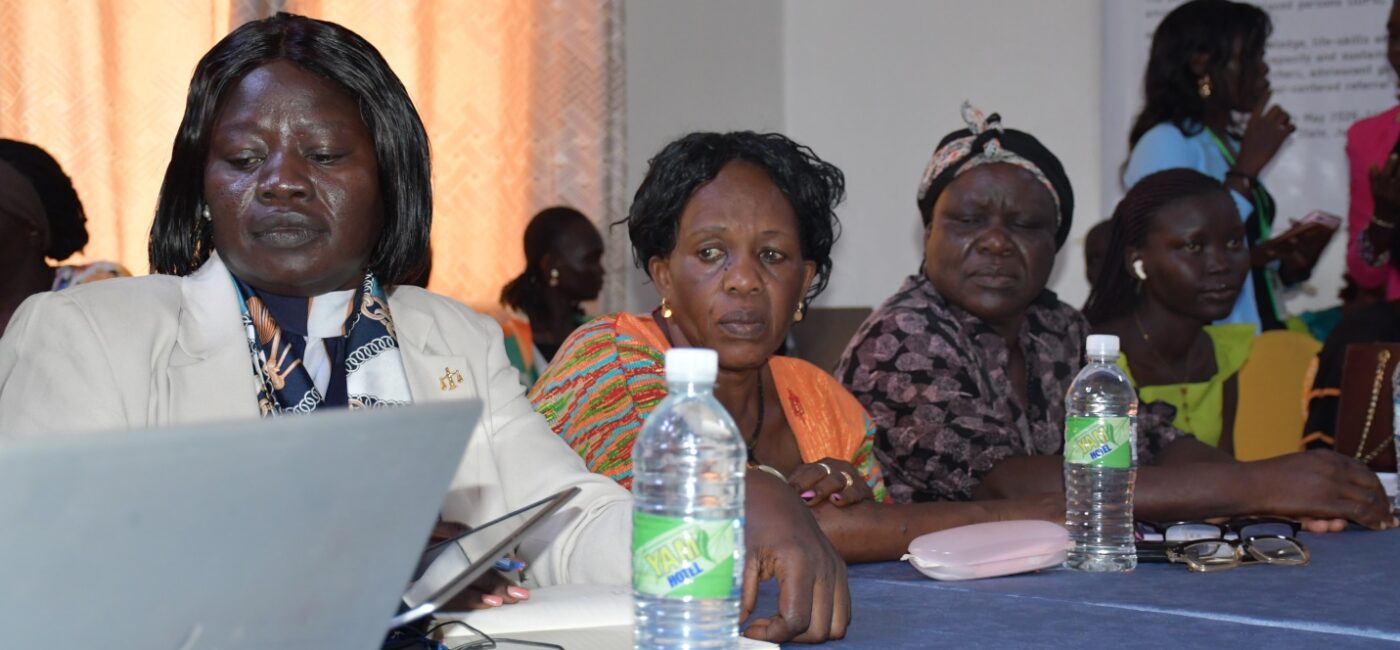
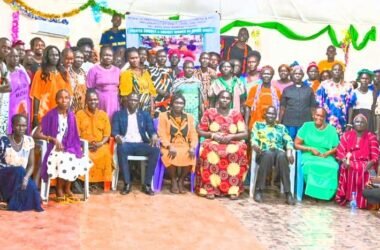
The call was made during the official launch of the Respect Project in Gondokoro Payam, Juba County, a project implemented by the Women’s Foundation for Humanity with support from the German Agency for International Cooperation (GIZ) and other partners.
Speaking during the event, Elizabeth Atong, project manager for GIZ, said the Respect Project seeks to promote dignity, respect, and protection for survivors of gender-based violence while addressing the root causes of abuse in communities.
“When we talk about gender-based violence, we do not only talk about women as victims or survivors. We are also talking about men, boys, and girls,” Atong said.
She noted that gender-based violence remains one of the most persistent human rights violations globally and continues to affect communities across South Sudan.
According to her, the project has been supporting survivors and raising awareness on sexual and reproductive health rights since its inception in 2022.
The initiative is being implemented in Central Equatoria State, including Juba and Yei counties, as well as in Northern Bahr el Ghazal and Western Bahr el Ghazal states.
Atong revealed that the project has reached 80 women’s groups through economic empowerment activities and is distributing more than 3,500 dignity kits to selected schools in Juba County.
She emphasised the importance of community participation in preventing violence, urging local leaders to encourage open dialogue and challenge harmful cultural practices that often discourage survivors from reporting cases.
“Ending sexual and gender-based violence is not the responsibility of one institution. Communities have a critical role to play in promoting positive behaviour and ensuring survivors can speak openly without fear,” she said.
Meanwhile, the director for gender, child, and social welfare in Central Equatoria State, Nunu Diana Alison, expressed concern over the increasing number of gender-based violence cases reported in the state.
She disclosed that the ministry recorded 120 cases of gender-based violence during May and June alone, describing the trend as alarming.
“We are seeing many cases of gang rape involving youth groups, many of whom are engaged in drug abuse. This could be one of the factors contributing to the increase in gender-based violence,” Alison said.
She added that economic hardship and the breakdown of traditional family values have further contributed to the rise in violence against women and girls.
According to Alison, South Sudanese communities previously upheld strong cultural values that promoted respect for women and girls, but many of these values have weakened over time due to the country’s current social and economic challenges.
Despite the growing number of cases, she expressed optimism that ongoing interventions by government institutions, civil society organisations, and development partners would help reduce incidents of violence and improve responses for survivors.
Alison highlighted the role of the One-Stop Center at Juba Teaching Hospital, which provides integrated services to survivors, including emergency medical care, psychosocial support, and legal aid.
The center is staffed by social workers deployed by the State Ministry of Gender and supported by AMREF South Sudan.
The launch of the Respect Project in Gondokoro Payam marks another step in expanding services to remote communities where access to information and referral pathways for survivors remains limited.
Stakeholders at the event pledged to continue working together to build safer communities where women, men, boys, and girls can live free from violence, discrimination, and abuse while realising their full potential.