


By Louis Loku and Yiep Joseph
The cost of communication is set to rise after the government regulator approved a request by telecom companies to adjust tariffs.
Despite citizens’ concerns over the high cost of communication services offered by the current telecom companies, namely MTN, Zain South Sudan, and Digitel, the National Communication Authority (NCA) has announced the adjustment.
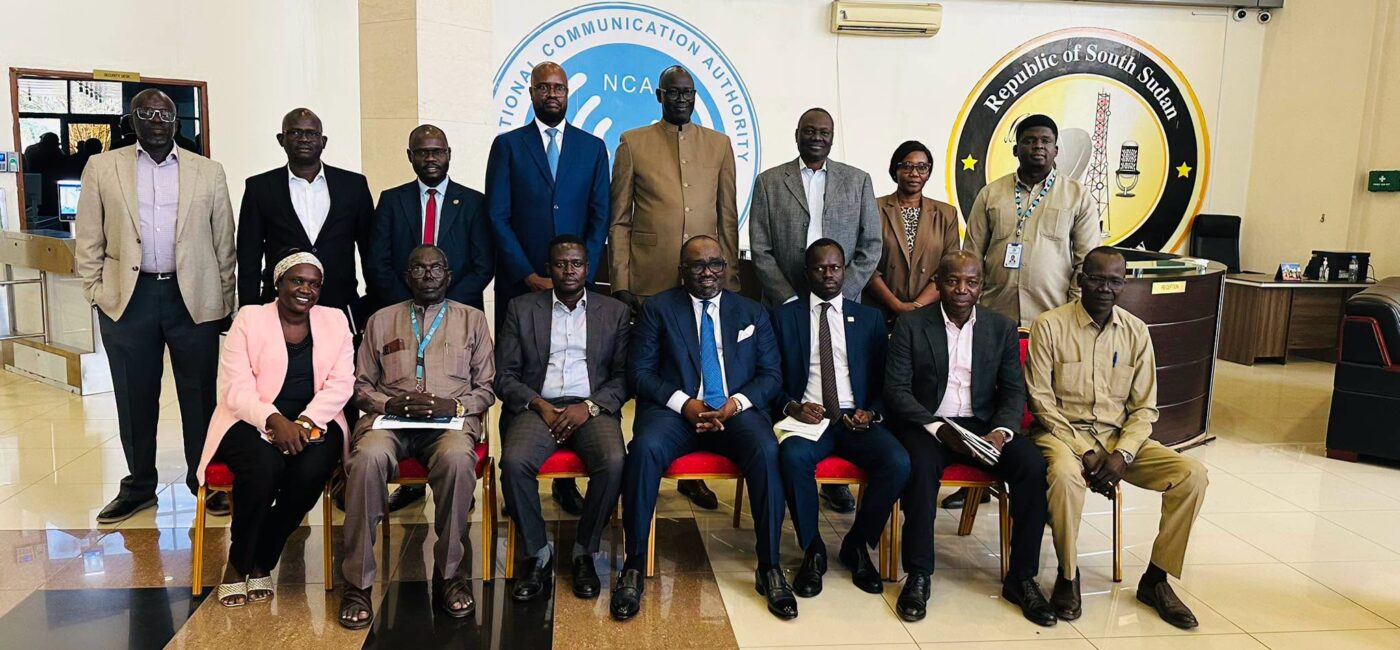
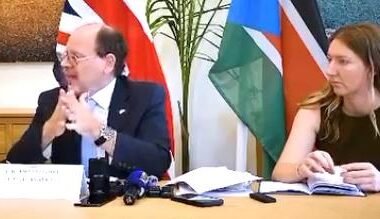
Addressing journalists on Thursday, Rizig Dominic Samuel, the Director General of the National Communication Authority (NCA), announced the changes, citing that they are aimed at preventing companies from closing down.
“The Authority has approved a phased adjustment of the telecommunications tariff exchange rate effective 26th June, 2026, at 12:00 AM, as part of the broader package of measures aimed at supporting the sustainability of the telecommunication sector,” Dominic said.
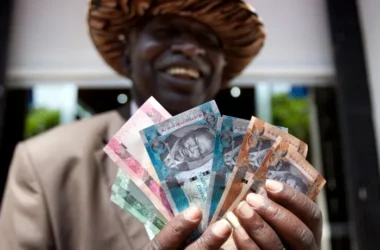
The Director General added that the adjustment will, for example, add 70 South Sudanese Pounds (SSP) to the existing SSP181 cost of a one-minute phone call.
He did not detail how the companies will adjust call charges or the cost of internet bundles.
The director general said the decision followed extensive consultations with key stakeholders across the country.
As a regulator, Dominic said the initiative is intended to address growing operational challenges facing mobile network operators.
He acknowledged the economic situation affecting citizens, reiterating that the decision was meant to prevent companies from closing down their sites.
According to him, the telecommunications sector has come under increasing strain due to a combination of global and domestic economic pressures.
These include rising energy costs, inflation, the depreciation of the South Sudanese Pound (SSP), limited access to foreign currency for infrastructure maintenance and equipment procurement, and the need to keep pace with evolving global telecommunications standards.
Dominic said the authority faced the challenge of balancing consumer protection with the need to ensure uninterrupted telecommunications services across the country.
“Without timely intervention, operators may be forced to scale down their operations, which could result in service disruptions and reduced connectivity,” he said.
He said the adjustment follows recommendations contained in Council of Ministers Resolution No. 13/2026, which directed relevant institutions to address challenges affecting the telecommunications sector.
Dominic emphasised that the measure should not be viewed as a direct tariff increase but rather as a tariff exchange rate adjustment.
“The phased implementation has been adopted to ensure a gradual transition, moderate the impact on consumers, and enable the Authority to assess the effectiveness of the intervention alongside other government support measures,” he said.
He said the authority reaffirmed its commitment to monitoring the implementation of the adjustment to ensure consumers continue to receive quality and dependable services.
South Sudan’s telecommunications sector has faced mounting challenges in recent years as the country’s economic crisis continues to affect businesses and consumers alike.
The depreciation of the South Sudanese Pound against major foreign currencies has significantly increased the cost of importing telecommunications equipment, maintaining network infrastructure, and paying for international services required to keep networks operational.
Mobile operators have also struggled with rising fuel prices, which have increased the cost of powering network sites across the country, particularly in remote areas where electricity supply remains limited.
Industry players have repeatedly warned that the existing tariff structure has remained largely unchanged despite years of inflation and sharp increases in operating costs.
At the same time, consumers have consistently complained about the high cost of calls and internet services, arguing that communication services remain unaffordable for many households and businesses.