



By Manas James Okony
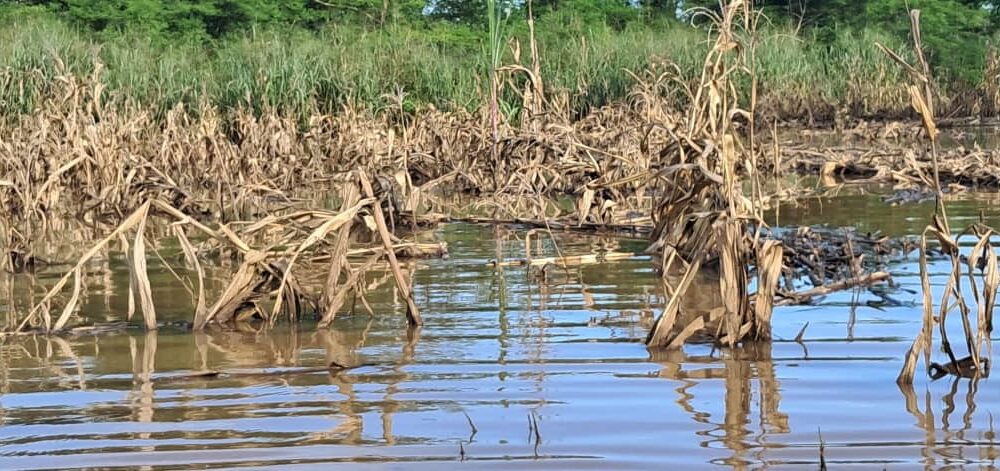
Severe flooding has devastated Pochalla North and South counties in the Greater Pibor Administrative Area (GPA), rendering several villages uninhabitable and exacerbating the already critical humanitarian situation.
Speaking to No. 1 Citizen Daily Newspaper over the weekend, Munira Abdel-Wuhab Suleiman, a Member of Parliament (MP) representing Pochalla Constituency in the National Legislative Assembly, stated that the local population is enduring immense hardship, with conditions worsening even as floodwaters recede in parts of the county.
“Our people are farmers, and maize that is ready for harvest is rotting in the floodwaters. Grass-thatched huts are collapsing, leaving residents homeless. The situation is truly dire,” she explained.
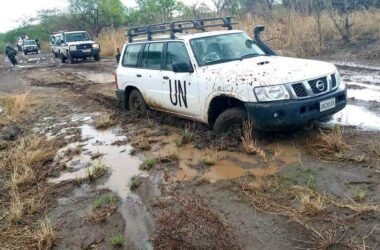
“Pochalla is also cut off from the rest of the country by road, further exacerbating the crisis.”
The lawmaker warned of an impending famine and concerning health trends.
“With crops destroyed and food scarce, we are facing a critical shortage,” noted MP Munira, who also chairs the Assembly’s Specialized Standing Committee on Mining.
She highlighted the hazardous pollution of floodwaters from the overflowing Oboth and Akobo rivers, attributed to illegal mining activities along their banks.
“This pollution poses a serious health risk to the local population in the foreseeable future.”
Munira appealed for urgent assistance, stating, “As I mentioned, food is lacking, the water is polluted, and arable land may become unproductive due to chemical deposits. We are appealing to well-wishers and aid agencies to come to our aid. Pochalla—and indeed the GPA as a whole—has been suffering from recurring floods for the last two years. This year, the entire country is affected by floods, but our situation is exceptional due to our remoteness.”
Residents of the affected areas expressed their anguish and called for aid.
One resident from Pochalla South, Aboya Olil, shared her distress: “My children haven’t eaten for a day because there is nothing and nowhere to cook. We are devastated. We are stranded in floodwaters. We have run out of flour because our mortars are submerged. Finding something to eat is now our biggest problem.”
Another resident, Pac Lero, lamented the unprecedented suffering caused by the flooding.
“Ajianga is a flood-prone village, but during past floods, we could evacuate to higher ground. However, this year’s floods have submerged even those areas. If it weren’t for this school, we might not have survived. A man was washed away by the floodwaters earlier, and his body was just found this evening. Our crops that were ready for harvest are now underwater because no one dares to venture out. Only God will get us out of this situation.”
According to the United Nations Office for the Coordination of Humanitarian Affairs (OCHA), an estimated 710,000 South Sudanese, including refugees who fled the conflict in Sudan, are in urgent need of humanitarian assistance after their homes were destroyed by floods.
The report reveals that 30 out of the 78 Counties across the country including the Abyei Administrative Area are currently experiencing severe flooding that has destroyed homes, crops, and critical infrastructure, disrupting education, road networks, and health services and increasing the risk of disease outbreaks since its onset in May 2024.