

By Alan Clement
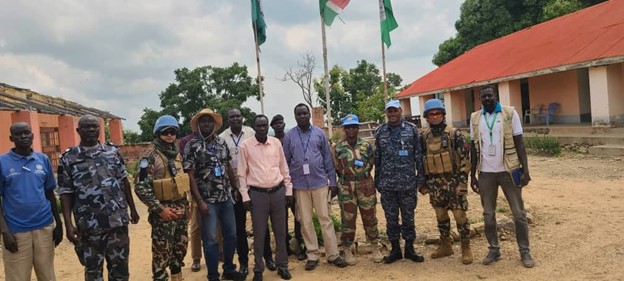
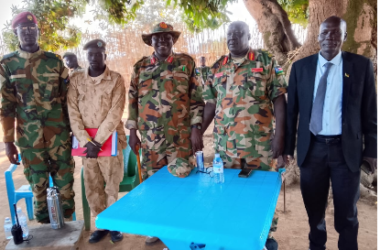
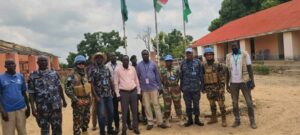
The Commissioner of Kajo-Keji County, Wani Jackson Mule, has received a delegation from the United Nations Mission in South Sudan (UNMISS) evaluate the impact of recent cross-border violence and the growing humanitarian crisis in the area.
The UNMISS delegation’s visit on Thursday August 6th, 2025 come in the wake of a deadly incident on July 28 involving the Uganda People’s Defense Forces (UPDF) and the South Sudan People’s Defense Forces (SSPDF), which resulted in the displacement of thousands.
In his address to the delegation, Commissioner Wani described the incursion as “preplanned,” stating it happened just as local authorities were preparing for a cross-border dialogue with authorities in Yumbe District of Uganda.
“We were organizing a peaceful meeting with our counterparts across the border when the attack occurred,” Mule said. “This has now left thousands of our people displaced and in dire need of assistance.”
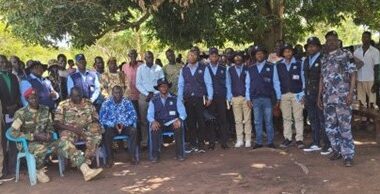
Commissioner Wani highlighted the deteriorating humanitarian conditions in the county, stating that thousands of internally displaced persons (IDPs) particularly women, children, and the elderly are now sheltering in six sites across Liwolo and Kangapo II Payams.
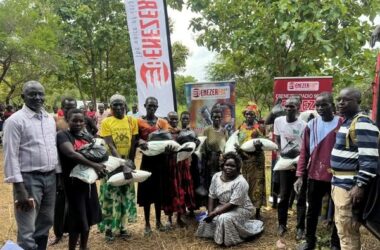
He appealed for urgent humanitarian assistance, including shelter, food, water, clothing, and medical supplies.
“The security situation remains volatile but diplomatic efforts are underway in Juba to de-escalate the tension,” Mule stated.
On behalf of the humanitarian partners, Likambo Richard Arike, Project Officer for SPEDP under the Reconciliation, Stabilization and Resilience Trust Fund (RSRTF), presented the findings of a recent assessment of the Nyainga-muda incident. He revealed that approximately 2,673 households about 16,038 individuals have been displaced with IDP sites hosting up to 7,477 people.
“Our response has been hampered by overwhelming needs and a lack of emergency funding,” Arike said.
UNMISS officials said their visit aimed to gather firsthand information on the security and humanitarian impact of the clashes, assess priority needs, and help coordinate a targeted response.
The mission is expected to inform future response strategies and support coordination among humanitarian actors