


By Sabri Dibaco
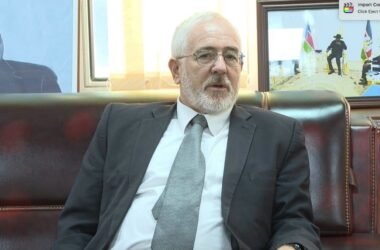
Operations at the Nimule border have returned to normal following a brief disruption caused by a drivers’ strike over security concerns, Assistant Commissioner Malik Jacob has confirmed.
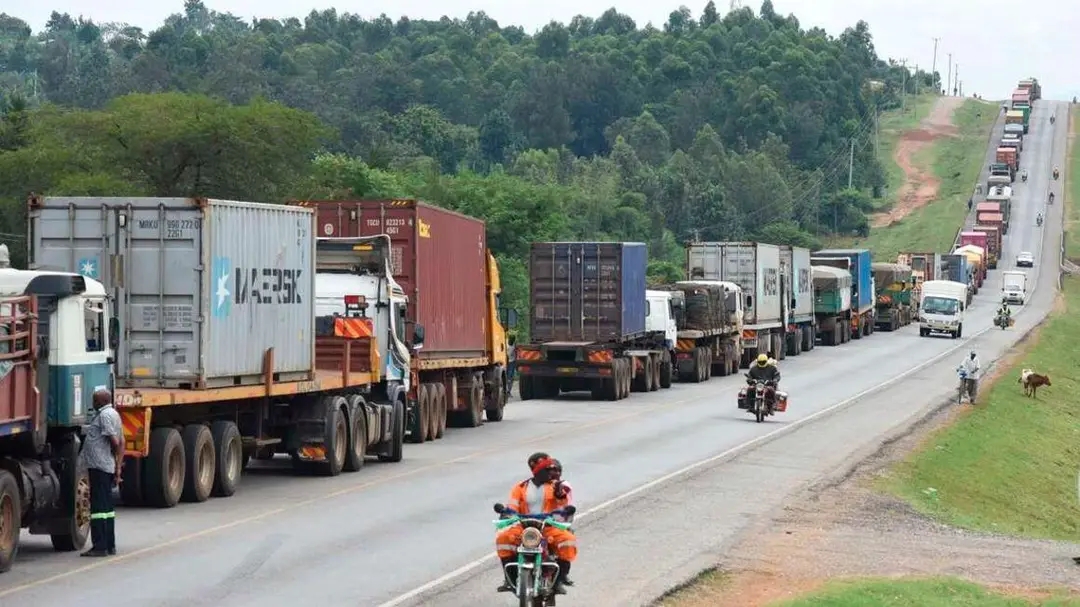
Speaking to the No. 1 Citizen newspaper, Jacob explained that the situation escalated last week after nighttime attacks on cargo drivers by unidentified armed groups, prompting transporters to temporarily halt movement across the busy trade corridor.
The incident led to the closure of the border for one day as drivers protested what they described as growing insecurity along the route.
“The strike was triggered by attacks carried out by criminal gangs operating at night, which raised fear among drivers and forced them to stop operations,” Jacob said.
However, swift intervention, including coordination between the South Sudan Revenue Authority and the Uganda Revenue Authority, led to the reopening of the border the very same day.
Since then, the movement of passengers and goods has gradually resumed.
Jacob noted that buses and commercial trucks are now crossing the border, with Ugandan drivers among the first to return to normal operations.
Meanwhile, drivers from other countries, including Kenya, Tanzania, and Somalia, who initially continued the protests, are slowly resuming their transport activities.
“The situation is calm. People are moving, buses are operating, and trade is ongoing. Security agencies have intensified operations to track down the criminal groups behind the attacks,” Jacob stated.
Attempts to reach truck drivers for comment were unsuccessful as they remain stationed, waiting for the government to guarantee their safety along the road to Juba.
To address these security concerns, a joint security committee has been established to oversee patrols along the Nimule-Juba highway, conducting both day and night operations to ensure the safety of travelers and goods.
Despite the progress, concerns remain over the presence of numerous checkpoints along the highway linking Juba to Nimule.
Reports indicate that more than 50 checkpoints exist along the route, some of which have been accused of illegally demanding payments from drivers.
Jacob acknowledged the issue, stating that while certain checkpoints serve legitimate security purposes, others operate without proper authorisation.
“Some checkpoints are necessary for protection, and we cannot remove all of them. However, those that are not important and those involved in illegal collections will be shut down immediately,” he underscored.
He emphasised that the Customs Division under the South Sudan Revenue Authority is the only entity legally mandated to collect revenue and warned that any unauthorised collections would be stopped immediately.
The Nimule border crossing is South Sudan’s most vital trade gateway, handling the majority of imports from regional partners, particularly Uganda.
The route is crucial for supplying essential goods, including food, fuel, and construction materials, into the country.
Over the years, the passage has faced recurring security challenges, including ambushes and illegal taxation, which have periodically disrupted trade and increased the cost of goods.
Jacob reassured both drivers and the general public that the government is prioritising their safety and is committed to restoring full confidence along the road.
Authorities have stated that continued monitoring and enforcement measures will remain in place to sustain stability and prevent further disruptions to cross-border trade.