


By James Innocent
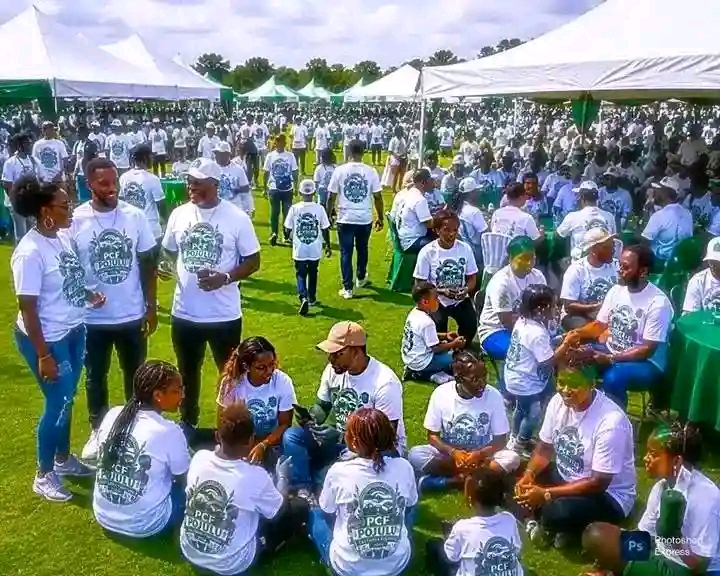
The recent Pojulu Cultural Festival (PCF) has sparked public discussion among members of the Pojulu community and the wider public, with differing views emerging on the balance between cultural preservation and local development priorities.
Some community members questioned the decision to organise the festival in Juba, arguing that resources spent on the event could have been directed toward development projects in Pojulu areas such as Lainya and Wonduruba.
Others suggested that holding the festival on ancestral land would have carried stronger cultural significance and directly benefited local communities.
Speaking on the matter, concerned citizen Taban Alison said the concerns raised are understandable, noting that many people are eager to see more development initiatives in Pojulu territories.
However, Alison emphasised that criticism should be expressed constructively and in the spirit of unity rather than division.
He noted that cultural festivals play an important role in preserving identity, promoting social cohesion, and showcasing cultural heritage to a wider audience.
Alison added that organising the festival in Juba may have been influenced by practical considerations, including better infrastructure, accessibility, accommodation, security, and transport, which made it easier for participants and visitors from different parts of the country to attend.
He said hosting the event in the capital also provided greater national visibility for Pojulu culture, allowing other communities to learn about and appreciate its traditions and values.
In a separate view, community member Gita David described the Pojulu Cultural Festival as an important platform for strengthening unity and preserving the community’s cultural heritage.
David said the festival serves as a reminder of the importance of safeguarding traditions and passing them on to future generations.
He also acknowledged the economic difficulties facing South Sudan, noting that many contributors voluntarily supported the event out of personal commitment and a shared sense of community identity.
At the same time, David stressed that cultural celebrations should not replace development efforts, calling on Pojulu community leaders to initiate and support projects aimed at improving livelihoods and infrastructure in Pojulu areas.
Observers say the debate reflects a broader conversation about how communities can balance investment in cultural preservation with the need for social and economic development.
While opinions remain divided on the venue and spending priorities, many agree that both cultural celebration and community development are essential for the long-term growth and unity of the Pojulu people.
Community leaders and members have been urged to continue engaging in constructive dialogue to ensure that future cultural events and development initiatives serve the broader interests of the community.