

By Sabri Dibaco
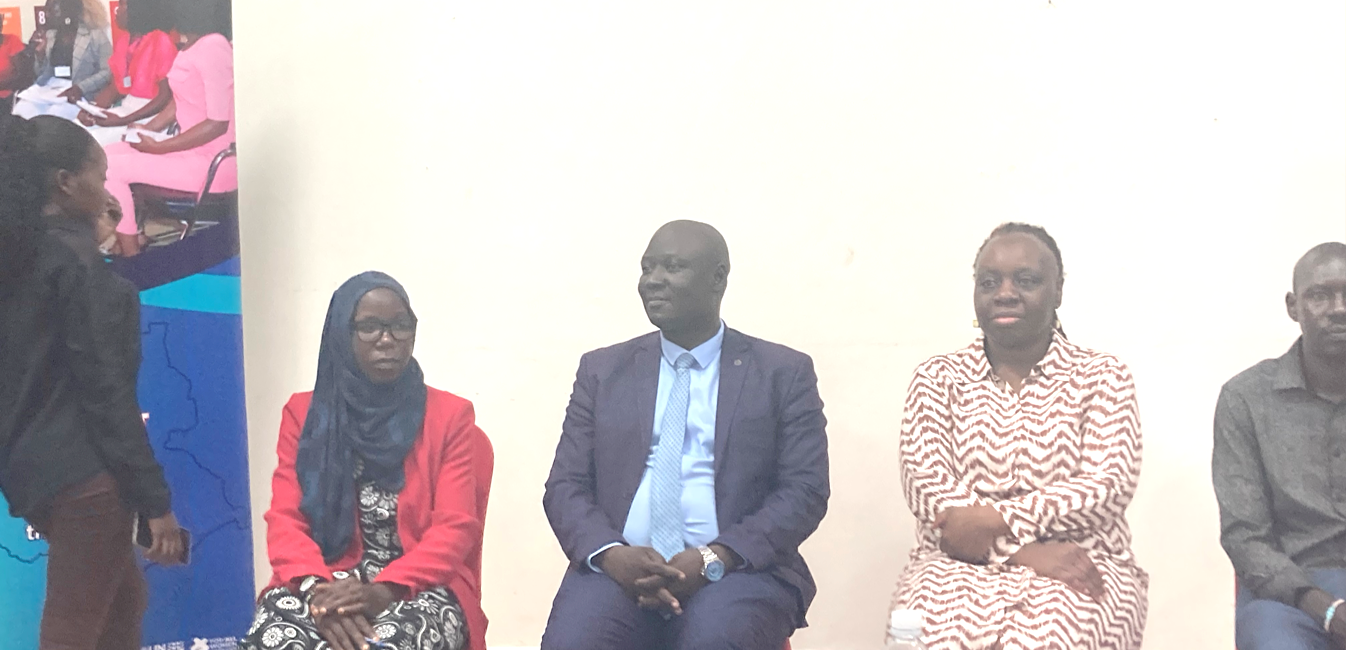
Journalists from various media houses have begun a training workshop on conflict-sensitive reporting and gender-responsive journalism.
Opening the workshop, Executive Director of the National Press Centre, Poverty Alfred, said journalists play a critical role in shaping public opinion and preventing the spread of narratives that could fuel violence during electoral periods.
“The media has the power either to calm tensions or to inflame them. Our responsibility as journalists is to report accurately, fairly, and ethically while ensuring our reporting contributes to peace rather than conflict,” Alfred said.
He urged participants to strengthen professional standards by verifying information before publication and providing balanced reporting that reflects the voices of all citizens.
Meanwhile, Patrick Oyet, President of the Union of Journalists of South Sudan, said election reporting demands the highest level of professionalism because inaccurate or biased reporting could undermine public confidence and social cohesion.
“Conflict-sensitive reporting is not about withholding the truth; it is about reporting facts responsibly, providing context, and avoiding language that can deepen divisions,” Oyet said.
He encouraged journalists to uphold ethical principles, resist political pressure, and maintain editorial independence throughout the electoral process.
Representing UN Women, Deputy Country Representative Hulda Otieno Ouma highlighted the importance of gender-responsive journalism in ensuring women’s voices and perspectives are adequately represented during elections.
“Women are not only voters but also candidates, leaders, and peace builders. The media have a responsibility to ensure their voices are heard and those reporting challenges harmful stereotypes and promote equal participation,” Hulda said.
She added that inclusive journalism strengthens democracy by ensuring all segments of society have equal access to information and opportunities to participate in public affairs.
Participants are expected to gain practical skills in conflict analysis, ethical election reporting, fact-checking, preventing hate speech, and integrating gender perspectives into news coverage.
Organisers said the training aims to equip journalists with the knowledge and tools needed to contribute to peaceful, credible, and inclusive elections while strengthening public trust in the media.