

By Ijoo Bosco
The Acholi community in South Sudan adopted a wide-ranging set of resolutions during its extended meeting in Juba on 19 July 2026 to strengthen customary governance, promote peace, improve infrastructure, and preserve cultural heritage.
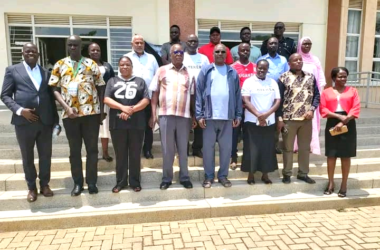
Chaired by the community’s chairperson, Otim David Okot, the meeting brought together delegates to deliberate on key social, cultural, and development priorities affecting Acholi communities across South Sudan.
The meeting also endorsed plans to convene a technical validation workshop in early August 2026 to finalise the draft Acholi Customary Law, a milestone expected to strengthen traditional justice systems and guide customary governance within the community.
Delegates also agreed to deepen cooperation with Acholi communities in Northern Uganda by establishing a rotational Acholi-Acholi border leadership secretariat. The initiative is intended to foster peaceful coexistence, improve cross-border collaboration, and address recurring boundary-related disputes through dialogue.
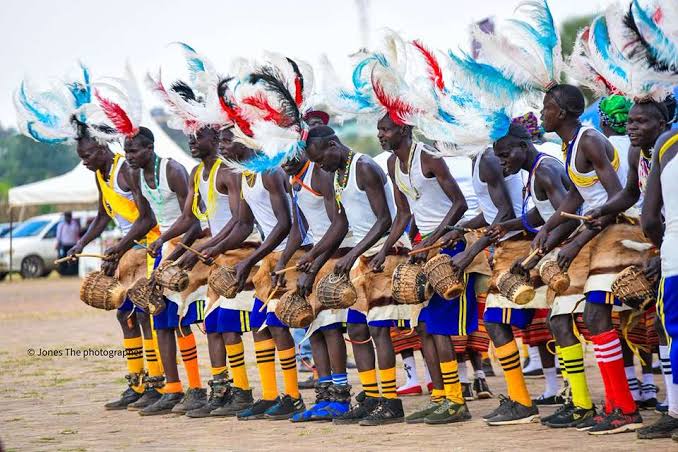
In efforts to preserve Acholi identity and cultural heritage, the meeting provisionally approved the design of the Acholi Community flag and launched preparations for the forthcoming Acholi Cultural Festival, which is expected to coincide with the anticipated visit of His Royal Highness Rwot Onen David Acana II.
The gathering further established a high-level committee to oversee the rehabilitation of Capt. Cook Road, describing the project as essential for improving connectivity and supporting economic activities in Acholi areas.
On national matters, delegates called for sustained political dialogue to safeguard peace and constitutional order.
They also urged the government to integrate former Acholi combatants into the national security forces and appealed for meaningful consultation with local communities before the implementation of mining and natural resource development projects.
The resolutions reflect the Acholi community’s determination to strengthen traditional governance, promote lasting peace, preserve its cultural identity, and advocate for inclusive development across Acholi areas in South Sudan.