

By Sabri Dibaco
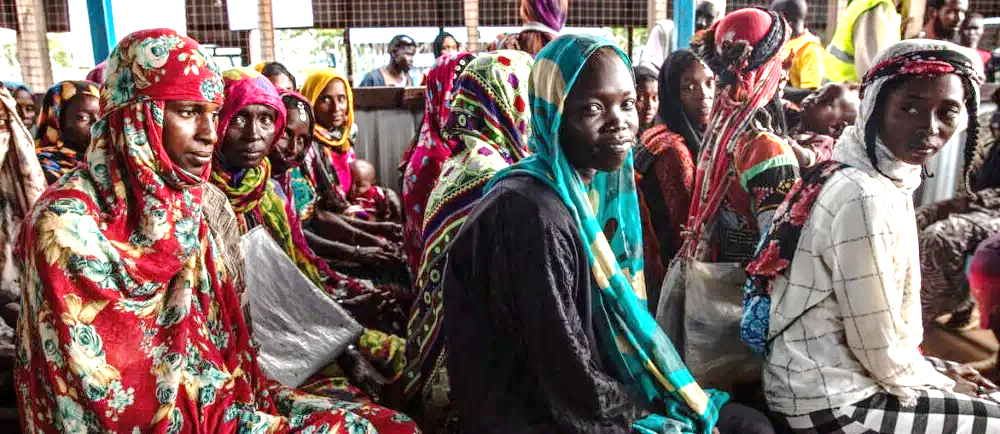
More than 650,000 refugees and asylum seekers in South Sudan are facing a worsening humanitarian crisis as severe funding shortages threaten to disrupt lifesaving food, nutrition, and protection assistance, the United Nations refugee agencies have warned.
The warning comes as food and nutrition support for about 240,000 of the country’s most vulnerable refugees is expected to run out in September unless additional funding is urgently secured.
Humanitarian agencies said an interruption in assistance could increase malnutrition, exploitation, and abuse, particularly among women and children, while forcing vulnerable families to consider dangerous cross-border movements in search of food and safety.
The crisis is being compounded by the continued arrival of refugees and returnees fleeing the conflict in neighbouring Sudan.
According to the UN agencies, up to 3,000 people are arriving in South Sudan from Sudan every week, placing further pressure on already overstretched humanitarian resources.
“We are seeing the devastating impact of conflicts that force people from their homes collide with a severe shortage of resources that is now making the crisis worse,” said Adham Effendi, Deputy Country Director for the World Food Programme (WFP) in South Sudan.
“For refugees and host communities, food assistance is often the difference between coping and crisis,” Effendi said, calling for urgent support to save lives and livelihoods while reducing long-term dependence on humanitarian assistance.
UNHCR Deputy Representative in South Sudan Mesfin Degefu said the continued arrivals from Sudan were placing additional pressure on refugees and humanitarian organisations.
“Every week, thousands more refugees and returnees continue to arrive from Sudan with almost nothing, many exhausted, hungry, and in urgent need of protection and assistance,” Degefu said.
He warned that cutting assistance to refugees who have spent years rebuilding their lives in South Sudan could reverse progress made in education, livelihoods, and self-reliance.
According to the statement, WFP currently faces an immediate funding gap of US$37 million for its refugee response, in addition to an overall shortfall of US$258 million needed to sustain its operations through the remainder of 2026.
The funding crisis threatens assistance for an estimated 4.2 million food-insecure people across South Sudan.
Meanwhile, UNHCR has received only 28 per cent of the US$286 million it requires in 2026 to provide essential protection and assistance to nearly four million refugees, internally displaced people, returnees, and vulnerable host communities.
The funding shortage comes as South Sudan faces one of the world’s most severe hunger emergencies. More than 7.8 million people, representing over half of the country’s population, are experiencing high levels of acute food insecurity, while an estimated 2.2 million children are acutely malnourished.
WFP has already been forced to prioritise assistance for the most vulnerable refugee families, who are currently receiving only 50 per cent of a full food ration.
Despite its own economic and humanitarian challenges, South Sudan has maintained an open-door policy towards refugees fleeing regional conflicts.
Since the outbreak of war in Sudan in April 2023, more than 1.4 million refugees and returnees have crossed into South Sudan, further increasing demand for food, shelter, healthcare, and protection services.
Humanitarian agencies are now appealing for urgent international funding to prevent further reductions in assistance and protect vulnerable refugee and host communities from a deepening humanitarian crisis.