



By Louis Loku
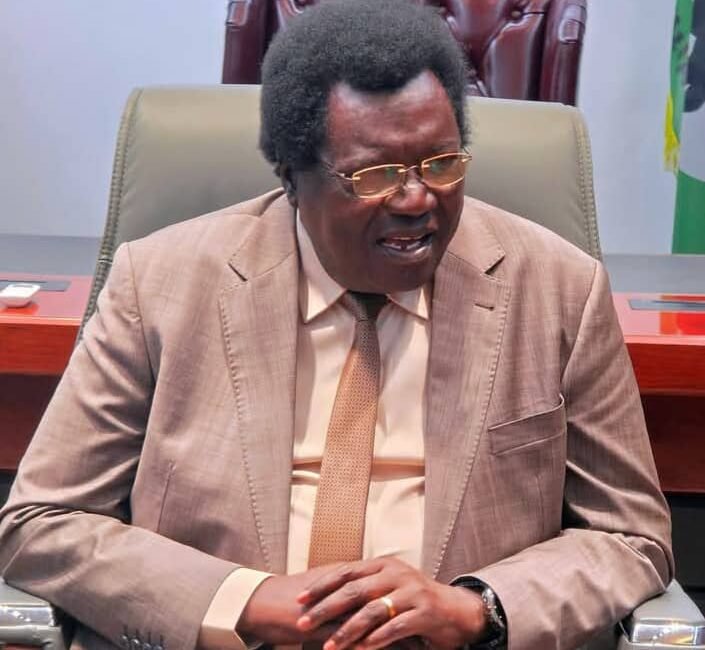
Central Equatoria Caretaker Governor Augustino Jadalla Kamilo Wani has pledged reforms to address teachers’ welfare and education challenges.
The governor pledged during a meeting with the Central Equatoria State Teachers’ Professional Union.
The union was led by its Chairperson, Emmanuel Lado Stephen.
Discussions focused on delayed salaries, teachers’ incentives, and mobility challenges affecting the union’s activities across the state.
Governor Jadalla directed the State Minister of General Education and Instruction, Lupai Satimon Andrew, to introduce reforms.
The reforms aim to improve efficiency and strengthen the delivery of educational services across Central Equatoria State.
The governor also encouraged the union to continue representing teachers and raising concerns affecting their welfare.
He pledged to address mobility constraints that limit the union’s ability to engage teachers across the state.
The union’s leadership highlighted challenges affecting teachers and the effective representation of their professional interests.
Salary delays remain a key concern for educators, as timely payments are essential for financial stability and morale.
Teachers’ incentives were also discussed as part of efforts to improve working conditions within the education sector.
Mobility constraints can make it difficult for union representatives to reach teachers in different parts of the state.
Addressing these challenges could strengthen communication between teachers, their representatives, and government officials.
The governor’s directive places the education ministry at the centre of efforts to advance the proposed reforms.
The ministry will be expected to work towards improving service delivery and addressing concerns raised by teachers.
Teachers play a critical role in delivering education and supporting learning across communities.
Improving their welfare is important for maintaining morale and ensuring continuity in classroom activities.
However, the success of the proposed reforms will depend on implementation and sustained government engagement.
Teachers and education stakeholders will be looking for practical measures to address the challenges discussed during the meeting.
These may include improved salary administration, clearer incentive arrangements, and better logistical support for teachers’ representatives.
The meeting also highlighted the importance of cooperation between the state government and professional education bodies.
Continued dialogue could help identify priorities and develop practical responses to challenges facing teachers.
The Central Equatoria State government reaffirmed its commitment to improving teachers’ welfare and strengthening the education sector.
The implementation of the pledged reforms will be crucial to translating these commitments into tangible improvements for teachers and schools.