
Fuel is the lifeblood of any economy. It powers transportation, agriculture, manufacturing, healthcare, and nearly every aspect of daily life. In South Sudan, where businesses and households already face significant economic challenges, unstable and high fuel prices continue to increase the cost of living and slow economic growth. Strengthening efforts[Read More…]
Finance
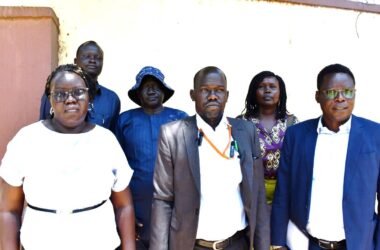
PETITION: Oil workers challenge directive on NSIF deductions in court
By Yiep Joseph Oil workers’ unions have petitioned the Court of Appeal over a government directive requiring employers to deduct and remit social insurance contributions directly to the National Social Insurance Fund (NSIF). The petition was filed by unions representing employees at Dar Petroleum Operating Company, DPOC, Greater Pioneer Operating[Read More…]
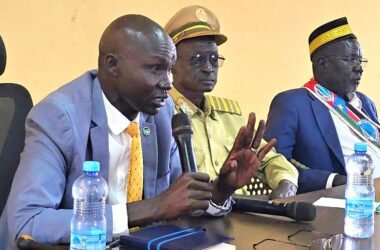
Melut to establish a committee to investigate delay of 3% community share
By Lodu William Odiya Authorities in Melut County have said they would establish a committee that would investigate the reason behind the delay in the three per cent share allocated to its community. This followed a consultative meeting between the commissioner and traditional authorities in Paloch Payam to discuss key[Read More…]
Inside SSP 11.34 trillion 2026/27 budget as oil revenue tops 79.5% estimate
By Sabri Dibaco The Minister of Finance and Planning, Kuol Daniel Ayulo, has tabled a proposed SSP 11.34 trillion national budget for 2026/27 before Parliament. The government has proposed South Sudanese Pounds (SSP) 2.16 trillion for debt servicing and loan repayments, including interest on domestic and international obligations. Ayulo presented the[Read More…]
Revenue Authority sets September 15 deadline for August tax filing and payments
By Sabri Dibaco The South Sudan Revenue Authority (SSRA) has reminded taxpayers that September 15, 2026, is the deadline for filing and paying tax obligations relating to August. The reminder was issued in a taxpayer notice dated September 7 and highlighted by the SSRA in a public communication on Tuesday.[Read More…]
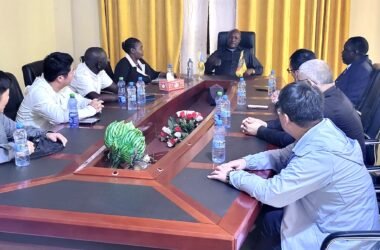
Governor Lobong urges companies to give back to communities
By Lodu William Odiya Governor Louis Lobong Lojore has called for responsible investment in Eastern Equatoria State’s natural resources, saying the region’s untapped mineral wealth should directly benefit local communities. According to the EES press unit, Governor Lobong made the remarks on Tuesday when he met representatives of Ecobridge Global[Read More…]

OPINION: Avoid stealing the money of South Sudan for it will speak to you by miracle
Writer: Ayuel Mangok Angui Corruption is one of the great enemies that affects the development of a country in any part of the world. Many countries in Asia and Africa are living below the poverty line, and this is because powerful people and the authorities in these continents have involved[Read More…]
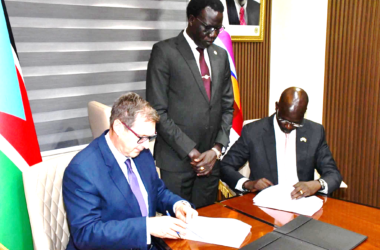
Government signs currency management deal with De La Rue
By Lodu William Odiya The Government of South Sudan has signed a Memorandum of Understanding (MoU) with De La Rue on currency management, in a move aimed at strengthening the management, security, and circulation of the South Sudanese Pound. In a statement released by the Ministry’s communication department yesterday, the[Read More…]
NATION TALK: Currency deal, a test for South Sudan’s monetary future
The Government of South Sudan’s decision to sign a Memorandum of Understanding with De La Rue on currency management has raised an important question: Will this partnership genuinely strengthen the country’s monetary system and restore public confidence in the South Sudanese Pound? The answer could be yes, but only if[Read More…]
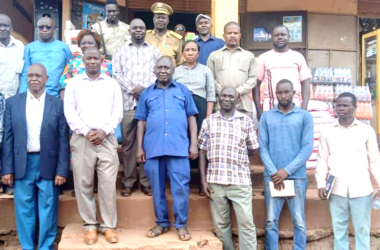
WES governor urges traders to keep money circulating locally
By Louis Loku Western Equatoria State Governor Daniel Badagbu Rimbasa has called on traders and residents to keep money circulating within the state, warning that the frequent transportation of large amounts of cash to Juba could reduce the availability of money in the local economy. Badagbu made the remarks during[Read More…]
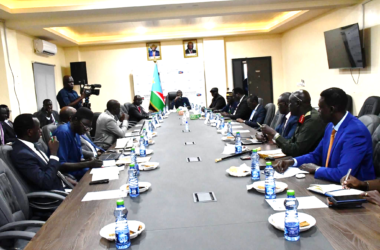
Economic Reform Committee pushes for further reduction in fuel prices
By Louis Loku South Sudan’s Ministerial High-Level Committee on Economic Reform has recommended a further reduction in fuel prices as part of efforts to stabilise the economy and ease the burden on consumers across the country. The recommendation was made during the Committee’s 15th regular meeting held on Monday at[Read More…]
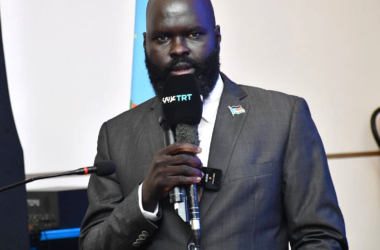
SSRA pledges digital transformation to boost East African trade integration
By Lodu William Odiya The South Sudan Revenue Authority (SSRA) has reaffirmed its commitment to strengthening cooperation with the East African Community and trade institutions through the digitalisation and modernisation of its customs systems. In a statement that was released by the SSRA press unit on Friday, Solomon Ariik Manyok,[Read More…]
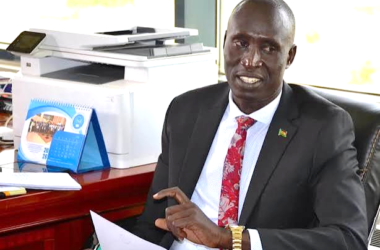
Ajou urges officials to make public information more accessible
By Yiep Joseph The Media Authority has called for a more direct relationship between government officials and journalists. The body cited that delays in providing information can make it harder for the public to understand government policies and activities. Media Authority Managing Director Ajou Loul Akuei appealed during a media[Read More…]
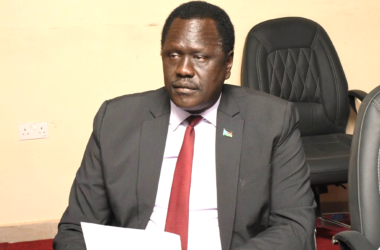
Committee directs Minister of Finance to clear salaries
By Louis Loku South Sudan’s Ministerial High-Level Committee on Economic Reform has directed the Ministry of Finance and Planning to begin paying salaries owed to civil servants, organised forces, and staff serving in the country’s diplomatic missions abroad. The decision was taken during an extraordinary meeting of the committee in[Read More…]

Network telecommunication companies raise call, and data tariffs
By Louis Loku Telecommunications companies in South Sudan have increased the cost of calls and data bundles, with the latest adjustment taking effect at midnight on August 17. The increase marks the third and final phase of the Tariff Exchange Rate Adjustment approved by the National Communication Authority (NCA) in[Read More…]
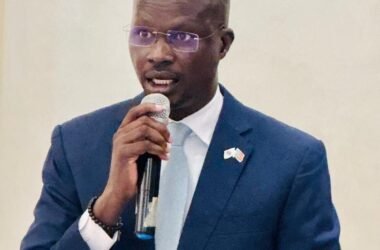
Go digital, leave cash economy, says Central Bank Governor
By Ngor Deng Matem & Louis Loku The Governor of the Bank of South Sudan, Dr. Addis Ababa Othow, has called on the country to transition away from its cash-reliant economy and embrace digital payment systems to accelerate national economic transformation. Speaking on Friday at the close of a five-day[Read More…]
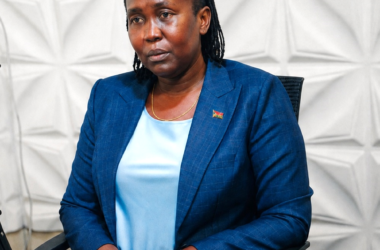
South Sudan, Pakistan develop financing program to support one million young entrepreneurs
By Sabri Dibaco The Ministry of Youth and Sports, in partnership with the Embassy of Pakistan, is developing a national youth support program aimed at benefiting more than one million young people through affordable financing for entrepreneurship and business development. The proposed initiative is intended to help young South Sudanese[Read More…]
AMDISS calls for dialogue over one-month media licensing renewal
By Sabri Dibaco The Association for Media Development in South Sudan (AMDISS) has called for urgent dialogue with the South Sudan Media Authority over a directive requiring media organisations to renew their expired operational licenses within one month. In a statement issued on Friday, AMDISS said the directive affects a[Read More…]
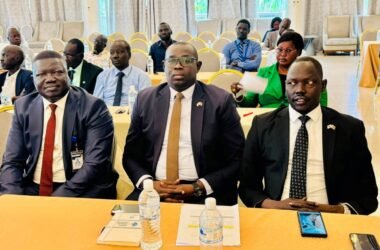
BoSS reviews legal framework for South Sudan’s National Payment System
By Ngor Deng Matem The Bank of South Sudan (BoSS) on Monday commenced a five-day stakeholder workshop to review and validate the National Payment System Bill, 2025, as part of efforts to strengthen the legal and regulatory framework governing payment services in South Sudan. The workshop brings together representatives from[Read More…]
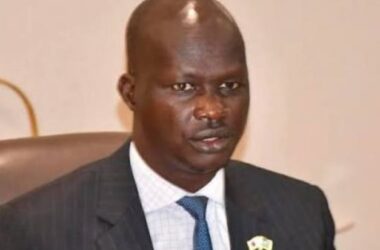
Central Bank governor directs close monitoring of tax collection
By Yiep Joseph The Governor of the Bank of South Sudan (BoSS), Dr. Addis Ababa Othow, has called for enhanced monitoring of tax collection processes to promote transparency and accountability. Dr. Addis Ababa made the remarks during a meeting with managing directors of commercial banks designated by the South Sudan[Read More…]