


By Lodu William Odiya
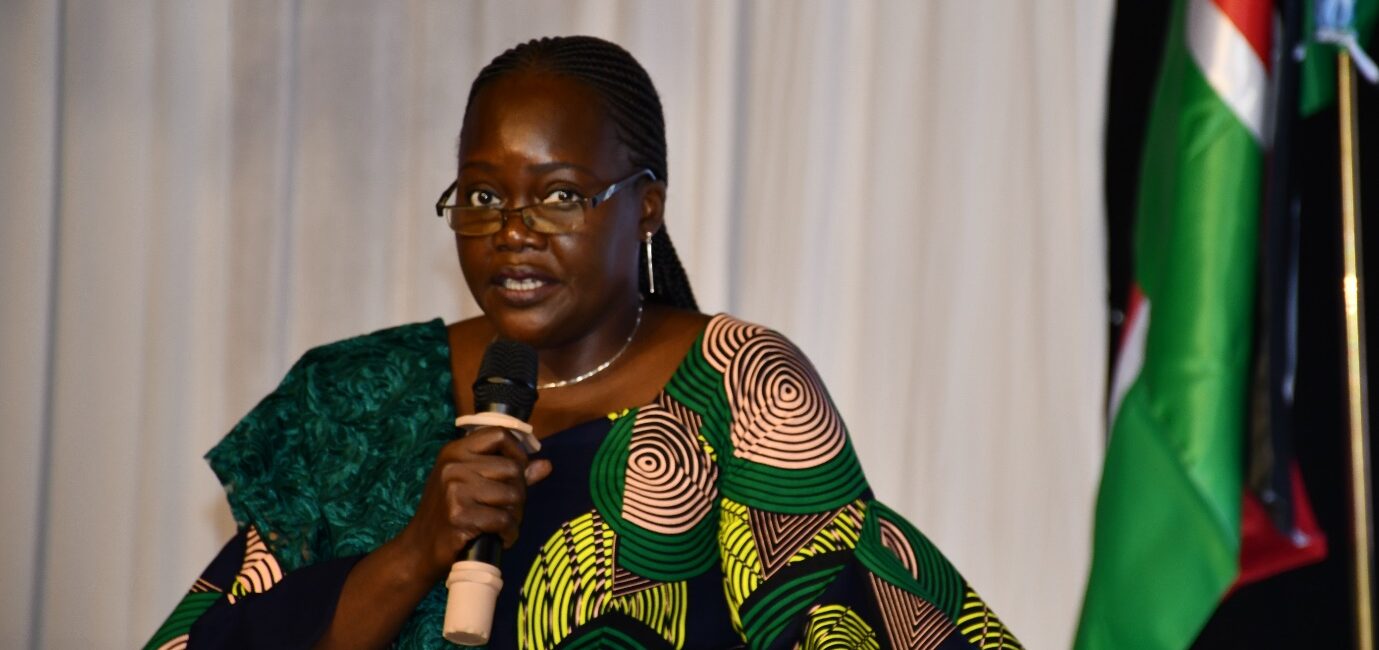
The Acting Minister of Agriculture and Food Security, Lily Albino Akol, has reaffirmed the sector as the cornerstone of the country’s economic recovery and long-term stability.
Speaking at the opening of the Agriculture Forum on Tuesday in Juba, Lily emphasised that agriculture contributes nearly 40 percent to the country’s Gross Domestic Product (GDP).
She described the sector as not just an economic activity but also a critical pathway to poverty reduction, food security, and national resilience.
“Agriculture lies at the heart of these ambitions. It remains the backbone of livelihoods for the majority of our population, contributing nearly 40% of our national GDP and employing close to 80% of our people,” she said.
Lily aligned the nation’s agricultural priorities with the Dakar Summit on Food Sovereignty and Resilience, focusing on key commodities such as sorghum, maize, rice, and fish.
She underscored that these value chains are expected to reduce dependence on imports, improve nutrition, and create employment opportunities in rural communities.
She added that recent data from the 2025 Crop and Food Security Assessment Mission indicates notable progress.
National cereal production reached approximately 1.2 million metric tons, marking an 8 percent increase compared to 2024 and a 27 percent rise above the five-year average.
Additionally, cultivated land expanded to about 1.2 million hectares, with yields averaging 1.2 tons per hectare.
Despite these gains, Lily underlined that the country continues to face a severe food security crisis.
An estimated 7.8 million people are experiencing high levels of acute food insecurity, including nearly 73,000 individuals in catastrophic conditions.
She attributed the gap between increased production and ongoing hunger to a range of structural challenges: floods and prolonged dry spells continue to disrupt production; displacement and conflict limit access to land and markets; and pests, diseases, weak infrastructure, and high post-harvest losses hinder agricultural performance.
The sector remains largely subsistence-based, with nearly 80 percent of farming relying on traditional methods, limited mechanisation, and minimal inputs.
Lily noted that women, who make up a vital portion of the agricultural workforce, face disproportionate barriers in accessing resources.
“Women constitute a significant proportion of the agricultural labour force, estimated at nearly 80% in many communities. Yet they continue to face systemic barriers in accessing land, finance, inputs, and extension services. This underscores the urgent need for inclusive and targeted investments,” Lily explained.
To address these challenges, Lily revealed that plans are underway to strengthen policies, enhance coordination among institutions, and attract private sector participation.
The ongoing conference is expected to outline practical and scalable solutions, with upcoming sessions focusing on partnerships, investment opportunities, and policy reforms.
Stakeholders, including development partners and private investors, are being urged to align their efforts with national priorities.
Officials also stressed the importance of empowering youth and women as central players in agricultural transformation, noting that their innovation and leadership will shape the future of the sector.
The government reaffirmed its commitment to supporting farmers, describing them as the backbone of the nation’s economy and essential drivers of sustainable development.