


By Lodu William Odiya
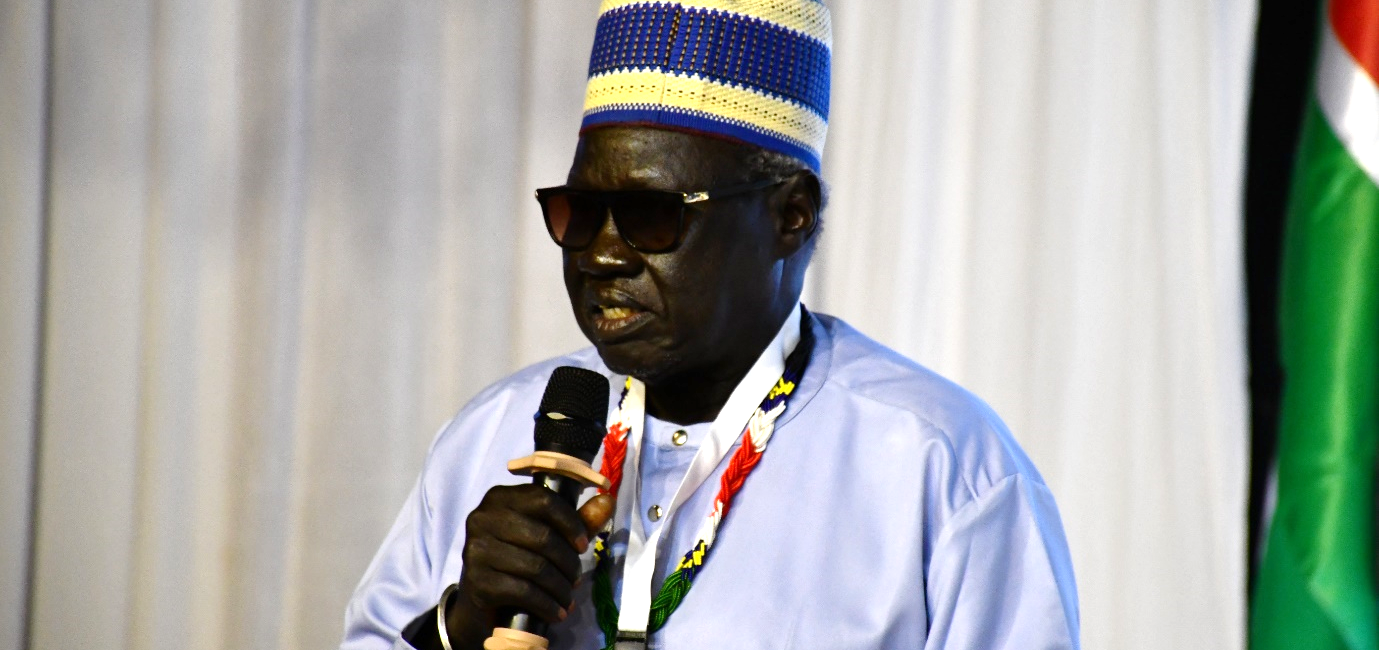
The minister of livestock and fisheries, Onyoti Adigo Nyikuac, has called for urgent investment, policy reforms, and stronger systems to unlock the full economic potential of the country’s vast but largely underutilised livestock and fisheries resources.
Speaking at the Agriculture and Food Security Conference in Juba, Minister Adigo highlighted that South Sudan is home to over 10 million cattle and approximately 26 million sheep and goats, alongside expansive fisheries supported by the Nile River system and sprawling wetlands. Despite this wealth, the country has yet to fully benefit from these resources.
“This is not a challenge of potential; it is a challenge of our systems, investments, and policy execution,” Minister Onyoti stressed.
The livestock sector is a cornerstone of the national economy, contributing 15% to 20% of South Sudan’s Gross Domestic Product (GDP) and supporting more than 70% of the population, particularly pastoral and agro-pastoral communities.
Despite this significant contribution, the sector continues to grapple with severe constraints, including frequent disease outbreaks severely impacting livestock health and productivity, poor market facilities restricting local and regional trade, and a lack of cold storage facilities and supply chain inefficiencies leading to heavy losses, particularly in the fishing industry.
To address these challenges and transform the industry, the government is pursuing several key initiatives, expanding vaccination campaigns and improving disease surveillance to meet international export standards.
The minister noted that improved health systems will allow the country to tap into lucrative markets in Indonesia and Morocco, overcoming current restrictions from the Middle East and Europe.
Constructing modern markets, holding grounds, slaughterhouses, and meat processing facilities alongside the development of cross-border trade corridors, promoting sustainable grazing systems to reduce conflicts, boost productivity, and enhance climate resilience.
Boosting output to meet the estimated annual fish production potential of over 300,000 tons. The government plans to strengthen sustainable management, promote aquaculture, and invest in cold chain infrastructure to reduce current post-harvest losses, which are estimated at 40%.
Minister Adigo reaffirmed the government’s commitment to creating a favorable investment environment through public-private partnerships, improved access to finance, regulatory reforms, and institutional strengthening.
A special focus is being placed on empowering youth, women, and cooperatives by expanding access to financing, skills training, and market opportunities.
“The transformation of South Sudan’s agri-food system is not a distant vision. It is an urgent necessity and a viable economic opportunity,” Adigo stated.
He concluded by inviting investors and development partners to collaborate with the government, emphasising that the livestock and fisheries sectors can drive exports, create jobs, improve nutrition, and build resilience against economic and climate shocks.