
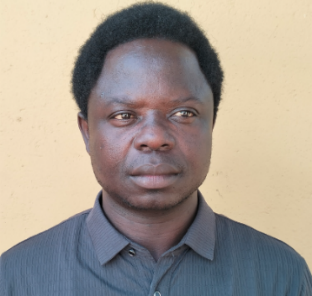



By Khamis Lokudu
Let me say this plainly so nobody gets confused. Culture is not our problem. Never has been. The drums, the dancing, the beautiful robes, and the stories of our elders—these things are good. They hold us together and remind us where we came from. Nobody in their right mind wants to kill the festival.
But here is a question we must look straight in the eye. How can we pull out big money for a three-day festival party, yet when a village mother is suffering, that same money cannot be found?
Within 72 hours, we spend thousands of dollars, sometimes hundreds of thousands, on cultural events. We rent a playground. We rent speakers. We cook mountains of food. We put up stages that come down before the week is even over. The energy is high. People open their wallets. The generosity is real.
Then the last drum stops beating. And we go back to normal. Is that normal? It is normal for young pregnant women in villages to attend antenatal checkups only barely. Some never go at all. It is normal for local health posts to have no money, no staff, and no supplies. It is normal for a small problem in pregnancy to become a big issue because there is no midwife nearby, no ambulance to call, and no medicine to stop the pain.
The same people who sing and feast together can also stand together and say enough. No more mothers suffering where we come from.
Imagine this. Take only half of what we burn on a three-day festival and use that money to set up a small health post in a village with one solar panel, clean water, and a trained nurse who knows how to deliver babies. That same post can keep vaccines cold and ready, so no child ever misses their polio shot or measles dose again.
Is that against culture? Not at all. That is for life. That is honouring our own people in the deepest way possible.
Another concern: we love to say the next generation will rise. We sing songs about tomorrow. But walk into a village classroom and see for yourself. Cracked walls. No textbooks. Children are squeezing around an old notebook. How many future doctors, engineers, and leaders are sitting in those classrooms right now, losing hope simply because nobody invested in them?
If we can raise thousands of dollars for a cultural festival party, why can’t we raise the same money to put a textbook in every child’s hand? To build a small library in a village that has never owned a single book?
I am not telling anyone to stop celebrating. Keep the music. Keep the dance. Keep your pride. But cut the waste. Reduce the expensive catering. Say no to imported decorations that will turn into trash.
Forget the banners that get used once and thrown away. Take that saved money, real money, thousands of dollars, and put it into something that will not disappear. Let the celebration last three days. But let what you build last for one hundred generations.
So here is my challenge to every community leader, every chief, every event organiser, and every person who sponsors these festivals.
Before you plan that next big cultural event, sit down quietly and ask yourself this one question: When the music ends, what will still be standing?
If your answer is just memories and garbage bags, then you have failed your people. But if your answer is a clinic, a classroom, or a real future, then you have turned a simple celebration into a true legacy.
We love our traditions. No doubt about that. But we love our mothers, our sisters, our wives, and our children even more. Let that love show in what we build, not just in what we sing.
The writer is a South Sudanese journalist.
He can be reached at khamislokudu@gmail.com
Disclaimer: Opinions published on our platforms do not represent the position or views of the No. 1 Citizen Daily Newspaper or its parent company.