



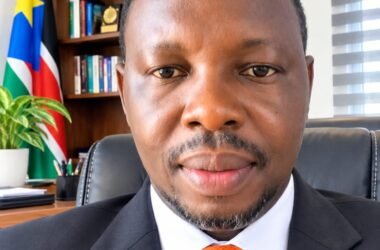
By Kiden Stela Mandela
The scourge of land grabbing is not just common; it is a raging crisis tearing at the social fabric of South Sudan, particularly across Greater Equatoria. At its most brutal, this is an act carried out at gunpoint, with powerful individuals threatening rightful residents and causing multi-layered disputes in Juba, often even for plots with valid, registered files or documents.
The resulting series of plot disputes highlights a disturbing failure in governance. Illegal demarcation exercises have been rampant, eroding both community trust and the authority of government institutions. Despite numerous court hearings on land disputes in Juba over the past months, the conflict remains a trending and ridiculous issue. Why? Because most land grabbers and complicit residents have turned a deaf ear to the law enforcement agencies responsible for maintaining order.
The practice of land grabbing is overwhelmingly concentrated among the elite: powerful politicians and individuals holding high government positions. They are the ones who weaponize their influence.
Crucially, much of the seized land belongs to people who fled as refugees during the 2013–2016 crises. Many of those in the diaspora still hold clear legal documents, yet their absence is exploited by grabbers who fearlessly and forcefully erect buildings on every empty space.
This corruption is often facilitated by the very bodies meant to protect citizens. The complicity of area chiefs, commissioners, and even the Ministry of Housing is a disaster. It is a common, confusing, and conflict-inducing practice for a single plot to be sold to multiple people based on bribery and personal gain, pitting citizens against each other.
In South Sudan, the gun has become the ultimate tool of land acquisition, effectively acting as a private police force for the powerful. Any slight dispute concerning land often results in bloodshed, with three or more people dying from either side. This lethal practice must be immediately criminalized, and perpetrators must be brought before the highest courts.
Furthermore, this domestic tragedy has an international dimension. South Sudanese political and military officials ravaging the nation have received essential support from foreign individuals and corporations who have reaped massive profits from these illicit dealings. As investigations like those by The Sentry have highlighted, nearly every instance of confirmed or alleged corruption or financial crime in South Sudan involves links to an international corporation, a multinational bank, or a foreign government.
These external actors are complicit in the violent taking of South Sudan. Leading officials and their international collaborators are responding to commercial and political incentives. Without a specific focus on targeted consequences for those external actors, it is unrealistic to expect this entrenched corruption to change.
I make a clear appeal to the Government of South Sudan: it is time to look into the matters of land grabbing with the seriousness they deserve. This is not merely a property issue; it is a major source of insecurity that is destabilizing the nation. Take immediate, decisive measures to prosecute the grabbers and restore the rule of law.
God protect South Sudan.
Be the spectator!